By Mark Meads
November 21, 2026
Addressing drain problems is crucial in both residential and commercial settings due to the integral role drainage systems play in maintaining sanitary and functional properties. While occasional clogs might seem like minor nuisances, persistent drain problems can lead to significant issues, including structural damage and health hazards. Understanding the distinction between occasional blockages and more severe, persistent problems is essential to effective problem-solving. The complexities of persistent drain issues often stem from systemic problems that require comprehensive drain cleaning services beyond simple cleaning or temporary fixes. In both residential and commercial properties, identifying and addressing the root causes of these stubborn drain problems can prevent costly repairs and maintain a healthy, habitable environment.
Accumulation of Debris and Foreign Objects
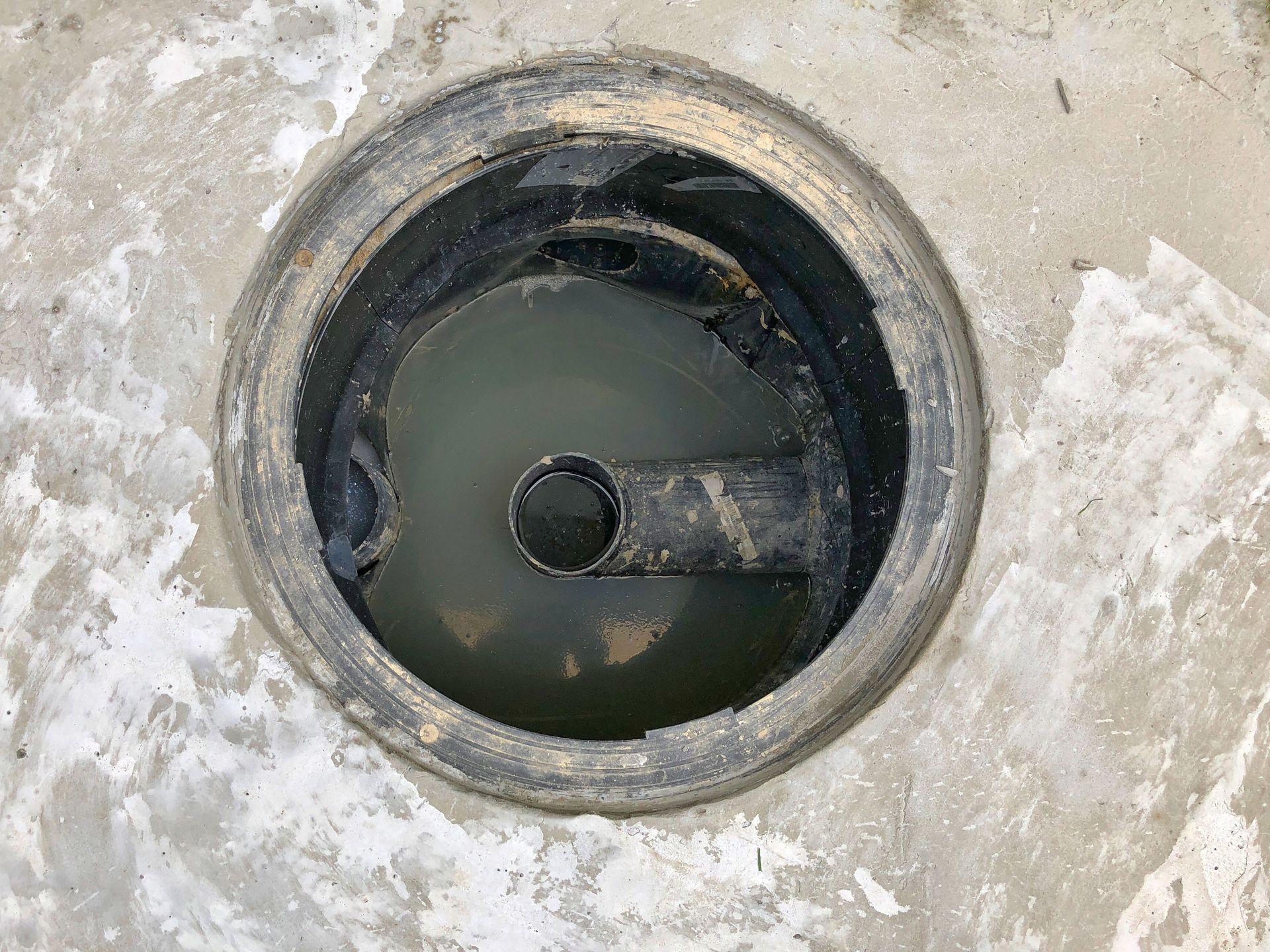
The accumulation of debris and foreign objects is one of the most common causes of drain problems. In residential settings, items like hair, soap scum, and food particles often contribute to clogs, while commercial properties might see blockages from larger-scale debris such as packaging materials, paper towels, or even small pieces of equipment. The diversity in the types of debris is influenced by the function of the property and can significantly impact the severity of the drain problem. These materials build up over time, creating blockages that impair water flow and eventually cause persistent issues if not adequately managed. Regular maintenance and monitoring of drain systems can help mitigate this problem by catching build-up before it escalates.
Non-biodegradable materials, such as plastics and synthetic fibers, pose a unique challenge because they do not break down naturally within the drainage system. These items can become lodged within pipes, creating serious blockages that require more than just removal; sometimes, pipe replacement is necessary. The resistance of these materials to natural decomposition processes means that they linger in the system longer, contributing to more frequent and severe backups. Attention to material disposal and waste management practices in both residences and businesses is critical to prevent the introduction of these stubborn materials into drain systems. Thus, awareness and education about responsible waste disposal are a fundamental preventive measure.
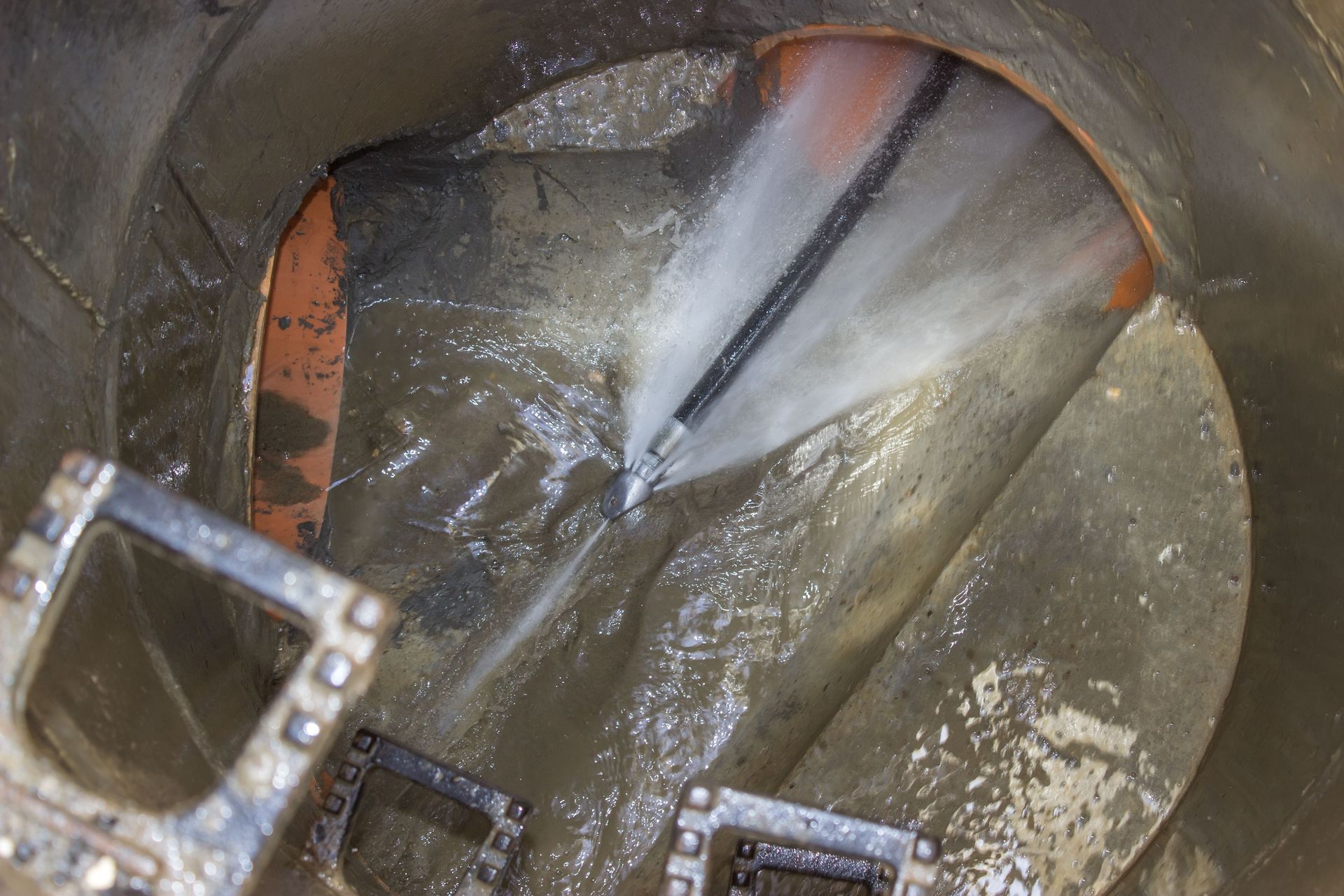
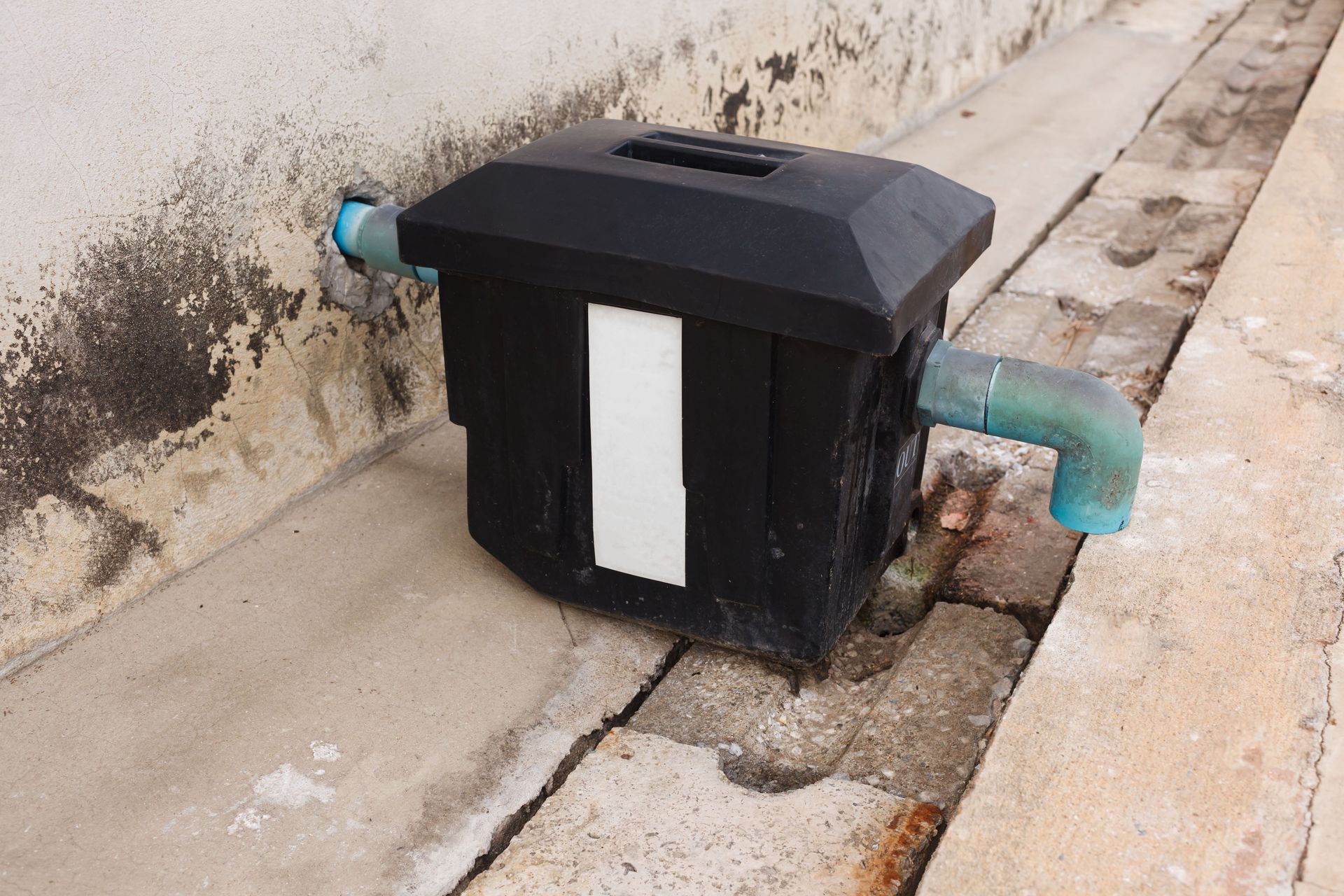
In distinguishing between residential and commercial debris, it's significant to note not only the type of debris but also the volume produced. Commercial properties such as restaurants or manufacturing plants can generate vast amounts of waste, with debris not typically found in residential drains, including grease from kitchens or industrial waste. This variance necessitates tailored solutions for different property types, highlighting the importance of a customized approach to drain maintenance and problem-solving. Another facet in tackling debris-related issues is the implementation of effective preventive measures, such as drain guards or filters, to capture and remove debris before it becomes problematic. Addressing these variations strategically with drain cleaning services is crucial to maintaining free-flowing drainage systems.
Aging Plumbing Systems
Aging plumbing systems are another major contributor to persistent drain problems, as many older properties may still rely on outdated materials susceptible to wear and deterioration. The lifespan of plumbing materials varies significantly, with cast iron, copper, and even modern plastics aging at different rates. These materials can suffer from corrosion, rusting, or scaling over time, reducing the internal pipe diameter and increasing the likelihood of blockages. As pipes deteriorate, cracks and leaks may develop, compounding the problems and increasing repair costs. Recognizing and addressing the limitations of older plumbing systems can help prevent unnecessary damage and prolong the lifespan of the overall infrastructure.
Home and property owners should be vigilant for indicators of a deteriorating plumbing system, which can include frequent leaks, water discoloration, low water pressure, or recurring drain backups. These signs point to underlying issues that, if caught early, can often be resolved with minimal intervention, such as targeted repairs or part replacements. Proactive maintenance and regular inspections are essential to identifying potential weaknesses before they escalate into full-blown catastrophes. Investing in these preventive measures not only ensures the longevity and reliability of the plumbing system but averts the costly disruptions caused by severe breakdowns. Timely detection and response are critical to maintaining operational efficiency and safety.
Properties built several decades ago often face unique challenges related to the aging infrastructure that newer constructions do not. These challenges necessitate a different approach, one that considers the limitations of existing systems while exploring modern solutions for integration. Renovation and replacement options are plentiful, ranging from traditional plumbing replacements to trenchless methods that minimize disruption. These updates, although potentially costly upfront, are generally considered worthwhile investments. According to Yahoo Finance, the sewer and drain cleaning services market size is expected to reach US$ 8,415.25 million by 2031, reflecting increased demand for solutions to address these very issues. Ultimately, the cost-benefit analysis of upgrading systems usually favors investing in long-term reliability and safety.
Root Intrusion in Underground Pipes
Root intrusion in underground pipes is a hidden but often devastating source of persistent drainage issues, particularly in areas with abundant vegetation. Tree roots naturally seek out and infiltrate moisture-rich environments such as sewer lines, penetrating pipe joints and cracks. Once inside, the roots expand, causing blockages and even rupturing pipes. This phenomenon is particularly problematic in older systems where pipes are more susceptible to cracking. Understanding the interaction between tree roots and sewage infrastructure is crucial to preventing and addressing these intrusions effectively.
Detecting early signs of root intrusion can prevent larger, more costly damage down the road. Warning signs often include unexplained decreases in water flow, an increase in clog frequency, or the presence of gurgling noises from drains. Advanced technologies, such as video pipe inspections, provide invaluable insights into the integrity of underground plumbing systems, allowing property owners to pinpoint issues accurately. Early intervention with root inhibitors or mechanical removal is often required to prevent irreversible damage. Such proactive measures are essential in managing root-related drainage problems before they necessitate extensive and expensive repairs.
For properties with significant tree coverage, employing long-term solutions is vital to protecting drainage systems. Installing root barriers or using pipe materials less susceptible to root penetration can mitigate the threat posed by invasive roots. Landscaping strategies, such as planting trees at a safe distance from pipelines, also play an important role in preserving the integrity of underground systems. Meanwhile, regular maintenance and inspection from drain cleaning services safeguard against unexpected failures.
Improper Installation or Design Flaws
Improper installation or design flaws can severely impact the functionality and reliability of drainage systems. Common installation mistakes, such as using incorrect pipe sizes, poor alignment, or improper slope, can lead to persistent blockages and inadequate water drainage. Such oversights often occur during the initial construction or remodeling stages when corners are cut to minimize costs. The resulting issues can manifest in frequent backups, leakage, or accelerated wear of plumbing components.
Identifying design flaws in drainage systems is a critical step toward understanding why certain properties experience persistent issues. A thorough analysis of the drainage layout, water flow patterns, and system capacity is necessary to pinpoint weaknesses in the initial design. Poor design often results in bottlenecks or "dead zones" where debris accumulates. Professional assessment, possibly involving hydraulic modeling, from drain cleaning services can reveal these shortcomings and inform corrective measures.
Persistent drain problems stem from a combination of factors, including debris accumulation, aging plumbing systems, root intrusion, improper installation, grease build-up, and environmental influences. Understanding these sources is crucial for effective management and prevention. Regular maintenance, proactive measures tailored to specific property needs, and investment in durable infrastructure are necessary steps to address these challenges. For drain cleaning services, call Rapid Flow Sewer & Drain Cleaning today.