By Mark Meads
November 17, 2026
Grease traps protect commercial plumbing systems by capturing fats, oils, and grease (FOG) before they enter wastewater pipes. Without proper maintenance, these substances can accumulate, restrict drainage, and contribute to expensive plumbing problems. Restaurants, cafeterias, and other food service businesses depend on functioning grease traps to maintain sanitary conditions and avoid disruptions. Understanding how these systems work and why routine grease trap pumping services matter can help business owners protect their plumbing infrastructure.
Understanding Grease Traps and Their Purpose
How Grease Traps Work
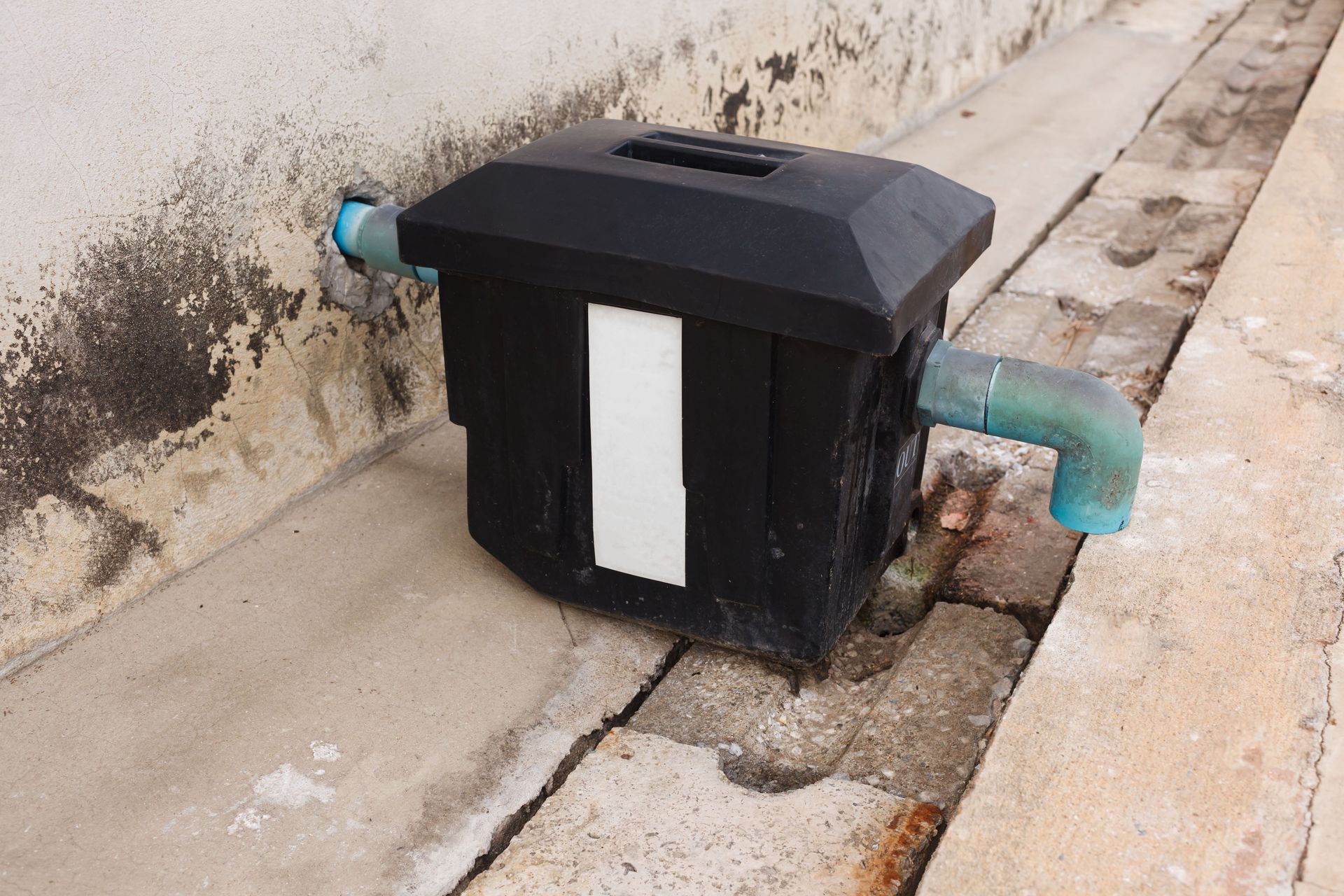
A grease trap is a plumbing device designed to separate fats, oils, and grease from wastewater. As water enters the trap, heavier food particles settle toward the bottom while lighter grease rises to the surface. The remaining water then flows into the drainage system with much of the FOG removed.
However, grease traps have limited storage capacity. As accumulated waste increases, the system becomes less effective. According to Today's Homeowner, cleaning a grease trap every three months is enough, but it should never be more than 25% full. Following an appropriate cleaning schedule helps maintain efficiency and reduce drainage problems.
Where Grease Traps Are Commonly Used
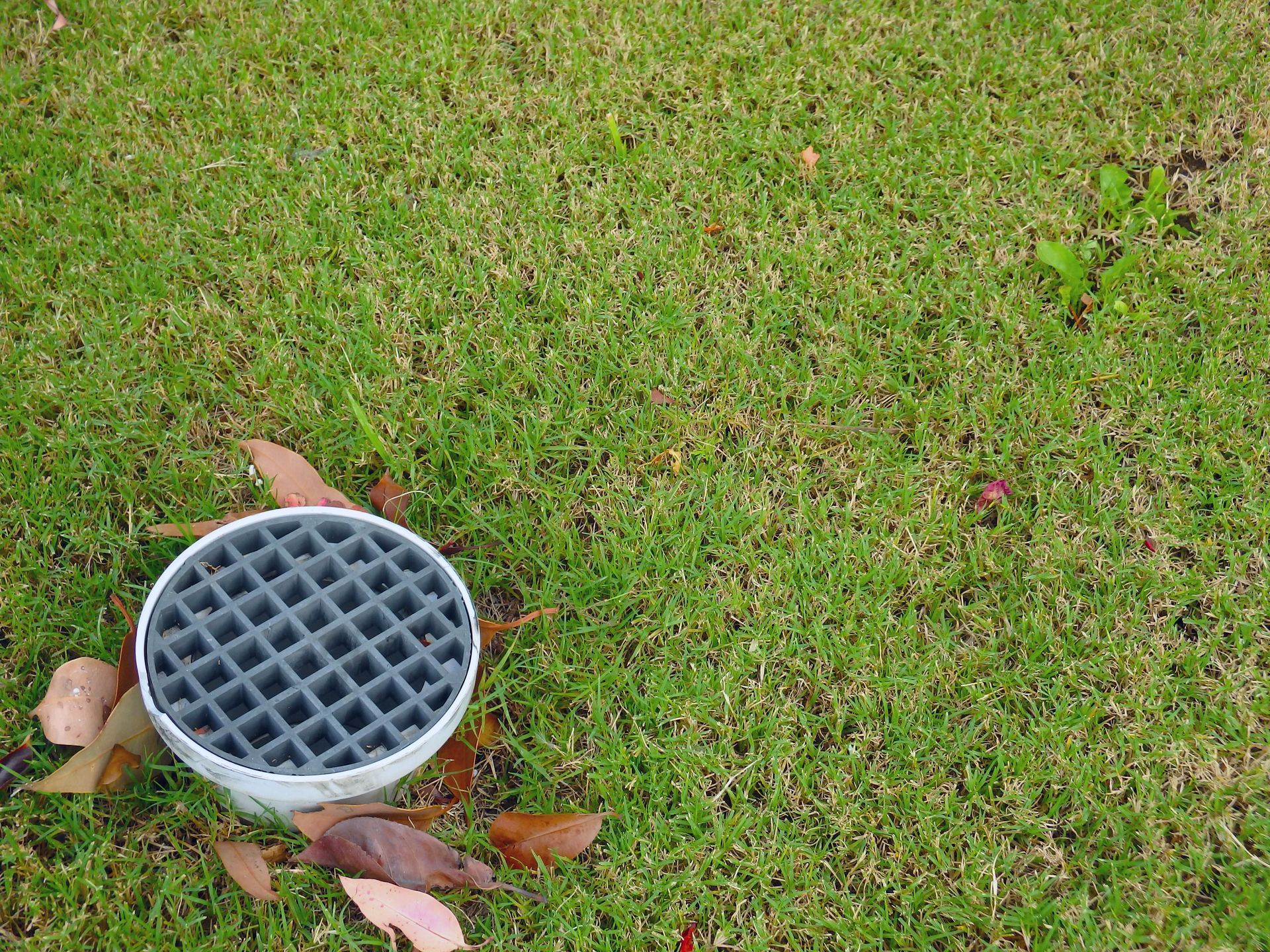
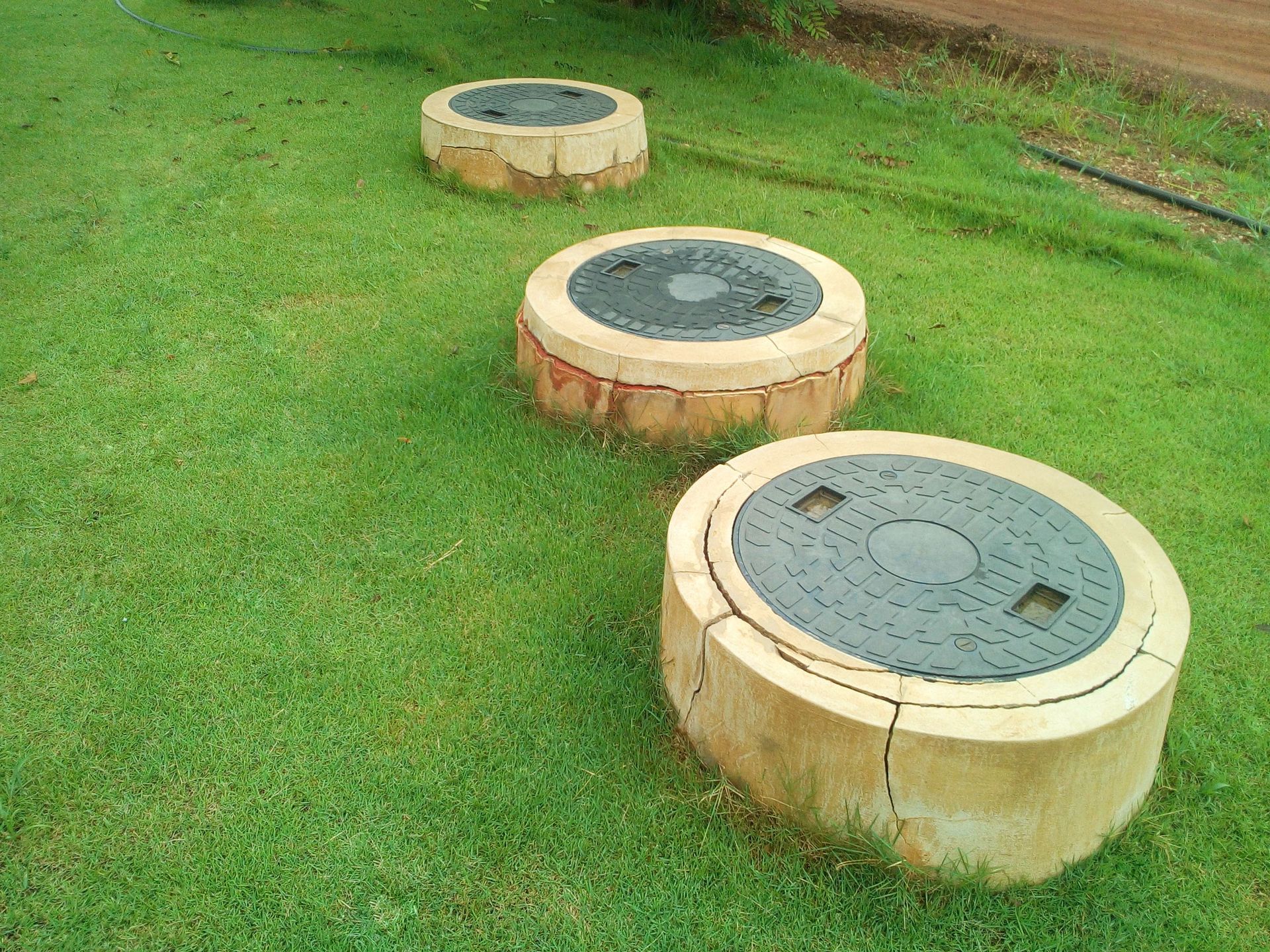
Grease traps are commonly installed in restaurants, commercial kitchens, cafeterias, hospitals, and food processing facilities. Any establishment that regularly prepares food may generate enough grease to require a dedicated interception system. Depending on the building's plumbing layout and wastewater volume, traps may be installed beneath sinks, inside utility areas, or outdoors near drainage connections.
The size and placement of a grease trap influence its effectiveness. Businesses with higher food preparation volumes generally require larger systems or more frequent maintenance. Understanding these requirements helps owners establish practical cleaning routines.
Recognizing the Consequences of Poor Maintenance
Blocked Drains and Pipe Damage
When grease traps become overloaded, excess FOG can enter connected drainage pipes. As grease cools, it hardens and sticks to interior pipe surfaces. Additional grease and food particles collect around these deposits, gradually narrowing the available space for wastewater to flow.
Eventually, these accumulations can create stubborn blockages requiring professional drain cleaning. Continued neglect may also contribute to pipe damage and expensive repairs. Scheduling grease trap pumping services helps remove accumulated waste before it creates serious drainage restrictions.
Wastewater Backups and Flooding
Restricted drainage can cause wastewater to back up into sinks, floor drains, and other plumbing fixtures. In commercial kitchens, these incidents create unsanitary conditions that can interrupt food preparation and affect employees and customers. Severe blockages may also contribute to flooding or sewage overflows outside the property.
These problems can be especially disruptive for businesses that depend on continuous kitchen operations. Routine maintenance reduces unexpected backups and helps keep wastewater moving through the plumbing system.
Environmental and Regulatory Concerns
Improper grease disposal can create environmental problems when FOG enters municipal sewer systems or nearby waterways. Grease accumulation contributes to sewer blockages, which can result in wastewater overflows and contamination. These incidents may affect surrounding properties, local ecosystems, and public health.
Businesses must also follow applicable grease management and wastewater disposal requirements. Neglecting maintenance can result in regulatory violations, fines, and additional expenses. Keeping accurate service records and arranging grease trap pumping services at appropriate intervals can help businesses demonstrate responsible waste management.
Exploring the Benefits of Routine Grease Trap Maintenance
Improved Drainage Performance
One of the primary benefits of regular maintenance is consistent wastewater flow. Removing accumulated grease and solid waste allows the trap to separate incoming FOG more effectively. This reduces the amount of grease entering connected pipes and helps prevent recurring drainage restrictions.
For restaurants and other food service establishments, reliable plumbing supports daily operations. Keeping grease traps clean reduces unexpected interruptions and helps maintain a functional kitchen environment.
Lower Long-Term Plumbing Costs
Preventive maintenance is generally more manageable than dealing with major plumbing emergencies. A neglected grease trap can contribute to severe blockages, damaged pipes, wastewater backups, and property cleanup expenses. These problems may require extensive service and force businesses to temporarily suspend operations.
Investing in routine grease trap pumping services helps address accumulated waste before it creates expensive complications. Consistent maintenance also allows business owners to plan service expenses rather than respond to unexpected plumbing failures.
Better Sanitation and Business Compliance
Clean grease traps support healthier working conditions by reducing wastewater backups, unpleasant odors, and unsanitary drainage problems. This is particularly important in food service environments, where cleanliness directly affects employee safety and customer confidence.
Routine service also helps businesses meet applicable local requirements for grease disposal and wastewater management. Maintaining documentation of inspections, cleanings, and waste removal provides useful records if compliance questions arise.
Establishing an Effective Grease Trap Maintenance Routine
Monitoring Grease Levels
Regular inspections help determine how quickly grease and solid waste accumulate inside a trap. Businesses should monitor the amount of material present rather than relying exclusively on a fixed cleaning schedule. High-volume kitchens may need more frequent attention than smaller establishments.
Employees can also watch for warning signs such as slow-draining sinks, unpleasant odors, and visible grease around drainage fixtures. These symptoms may indicate that the trap needs attention or that a connected plumbing issue has developed.
Scheduling Professional Cleaning
Professional cleaning involves removing accumulated grease, food particles, and wastewater from the trap. Service providers can also examine internal components and identify conditions that may affect performance. Consistent grease trap pumping services help maintain adequate capacity and reduce the possibility of waste entering downstream plumbing.
Cleaning frequency should reflect the establishment's grease production, trap capacity, and applicable regulations. Although quarterly cleaning may be sufficient for some businesses, others may require more frequent service to prevent overloading.
Maintaining Accurate Service Records
Documenting maintenance activities helps businesses track grease accumulation and identify patterns in their service requirements. Useful records include inspection dates, cleaning schedules, waste removal information, and any repairs performed. These details make it easier to adjust maintenance intervals as operating conditions change.
Accurate documentation can also support regulatory compliance by showing that the business takes its grease management responsibilities seriously. Establishing a consistent recordkeeping process helps prevent overlooked service appointments.
Disposing of Grease Waste Properly
Removing grease from a trap is only part of responsible maintenance. Collected waste must also be handled and transported according to applicable disposal requirements. Pouring grease into sinks, toilets, or outdoor drains can introduce the same problems that grease traps are designed to prevent.
Professional service providers can collect and transport grease waste to appropriate disposal or processing facilities. Proper handling helps protect municipal infrastructure while reducing the environmental impact of commercial food preparation.
Choosing the Right Grease Trap Maintenance Approach
Evaluating Service Needs
Every establishment has different grease management requirements. A busy restaurant may generate substantially more FOG than a small cafe, making its cleaning schedule and service needs different. Factors such as kitchen activity, wastewater volume, trap capacity, and operating hours should influence maintenance decisions.
Businesses should also consider the accessibility and condition of their existing grease traps. Damaged components, improper installation, or inadequate capacity may require additional attention beyond routine cleaning.
Comparing Professional and In-House Maintenance
Some businesses attempt to manage basic grease trap cleaning internally, but this approach requires appropriate equipment, trained employees, and proper waste disposal procedures. Incomplete cleaning can leave significant accumulations behind, reducing the system's available capacity.
Professional grease trap pumping services provide thorough waste removal and help identify potential maintenance concerns. Service providers can also recommend cleaning intervals based on the system's condition and usage. This support is particularly valuable for establishments with demanding kitchen operations.
Recognizing the Value of Preventive Service
Waiting until a grease trap causes noticeable drainage problems can lead to unnecessary expenses and operational disruptions. Preventive service gives businesses an opportunity to address accumulated waste before it contributes to serious plumbing complications. It also makes maintenance more predictable and easier to incorporate into regular facility management.
Establishing a relationship with a dependable plumbing service provider can simplify scheduling and help ensure that maintenance receives consistent attention.
Taking a proactive approach helps preserve plumbing performance, maintain sanitary conditions, and support regulatory compliance. Businesses that need dependable grease trap pumping services can contact Rapid Flow Sewer & Drain Cleaning to discuss their maintenance needs and arrange professional assistance. Consistent attention to grease trap maintenance helps protect commercial plumbing systems and supports smoother day-to-day operations.