By Mark Meads
November 2, 2026
A reliable plumbing infrastructure serves as the silent backbone of any residential or commercial property. Every time a faucet turns on, an appliance cycles, or waste exits a facility, water depends on clear transit paths to move without interruption. Yet, because wastewater pipes remain hidden beneath flooring, behind drywall, and deep underground, their structural wellness is frequently taken for granted until a severe blockage surfaces. Over time, daily operations introduce an extensive accumulation of organic matter, fats, minerals, and debris into the drainage network. This internal accumulation restricts the functional cross-sectional diameter of the pipeline, creating hydraulic resistance that compromises the performance of fixtures across an entire building.
Understanding the Mechanics of Water Movement
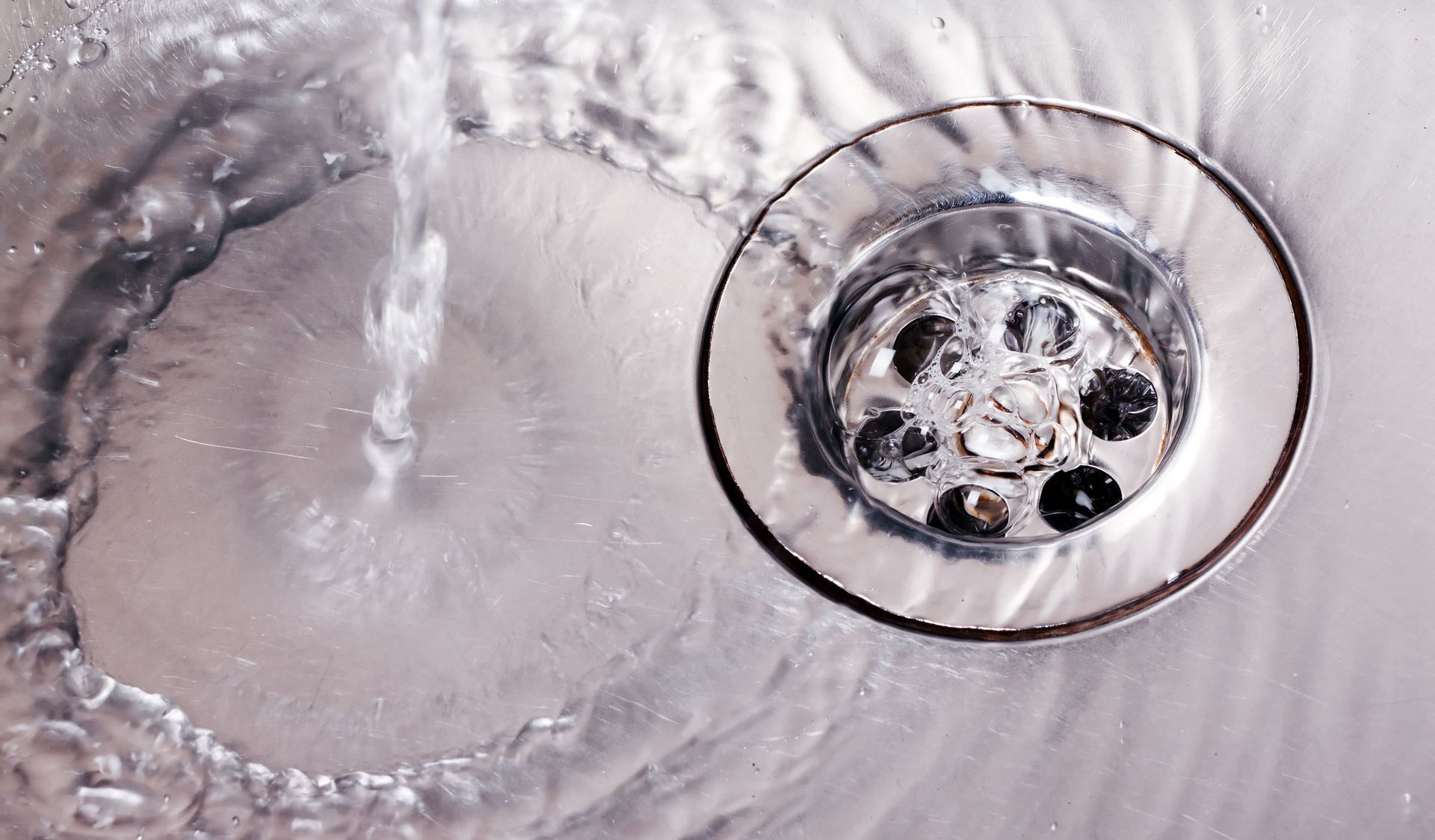
A plumbing network relies on a careful balance between gravity, atmospheric venting, and pipe volume to move liquids smoothly away from fixtures. When fixtures empty, the liquid naturally seeks the path of least resistance through the pipe network. Internal surfaces designed to facilitate rapid runoff must remain smooth to prevent unnecessary friction. However, standard daily activities continuously coat these conduits with problematic materials.
In domestic and commercial kitchens, animal fats, cooking oils, and grease enter the drainage channels as hot liquids. As they encounter colder underground piping, they congeal and adhere firmly to pipe walls. In bathrooms, soap residues bond with shed hair and skin cells, creating dense matrices that catch floating debris. Concurrently, hard water regions introduce dissolved calcium and magnesium that gradually precipitate along the perimeter of the piping. Over months and years, these deposits solidify, producing a rough interior topography.
Examining Flow Restriction and Turbulence
As debris layers thicken, laminar flow—the smooth, uninterrupted movement of fluid along a surface—deteriorates into turbulent flow. Liquid no longer slides cleanly along the interior wall; instead, it eddies, churns, and loses velocity. This turbulence reduces the rate at which wastewater evacuates from sinks, showers, and utility drains. Because fluid moves at a reduced speed, heavier suspended solids settle out of the stream more readily, compounding the buildup. The resulting drag forces the entire wastewater layout to operate far below its engineered design specifications.
Monitoring Venting Dynamics and Air Pressure
Water efficiency within a pipe does not depend exclusively on liquid movement; it also requires balanced air distribution. Drainage systems incorporate vertical vents that introduce air behind the flowing water, neutralizing negative pressure that could otherwise produce a siphon effect. When waste lines become severely constricted, air cannot circulate freely alongside the liquid volume. The system experiences fluctuating air pressures, resulting in bubbling sounds, slow draining, and the potential evacuation of water from fixture traps, which allows noxious sewer vapors to seep into indoor spaces.
Identifying the Operational Benefits of Clean Pipelines
Clearing interior line restrictions produces immediate improvements across the physical infrastructure of a building. When pipes regain their full diameter, liquid transit accelerates to optimal design velocities. This acceleration ensures that waste is transported swiftly toward municipal mains without pooling or stagnating.
According to research from IBISWorld, the total revenue generated across the pipe and septic cleaning sector throughout the United States reached an estimated $8.1 billion in 2025. This widespread utilization reflects how critical systematic line restoration has become for preserving institutional, commercial, and residential real estate assets nationwide. Routine maintenance serves an essential public health and operational function by mitigating avoidable structural failures.
Restoring Standard Fixture Velocity
The most noticeable consequence of professional drain cleaning is the instantaneous recovery of fixture velocity. Sinks, laundry basins, and bathtubs empty rapidly and completely without leaving behind greasy rings or stagnant puddles. Rapid evacuation prevents particulate waste from re-settling in fixture traps, keeping plumbing fixtures sanitary and reducing the need for aggressive chemical cleaners that can degrade metallic and plastic fittings.
Relieving Internal Pipe Strain
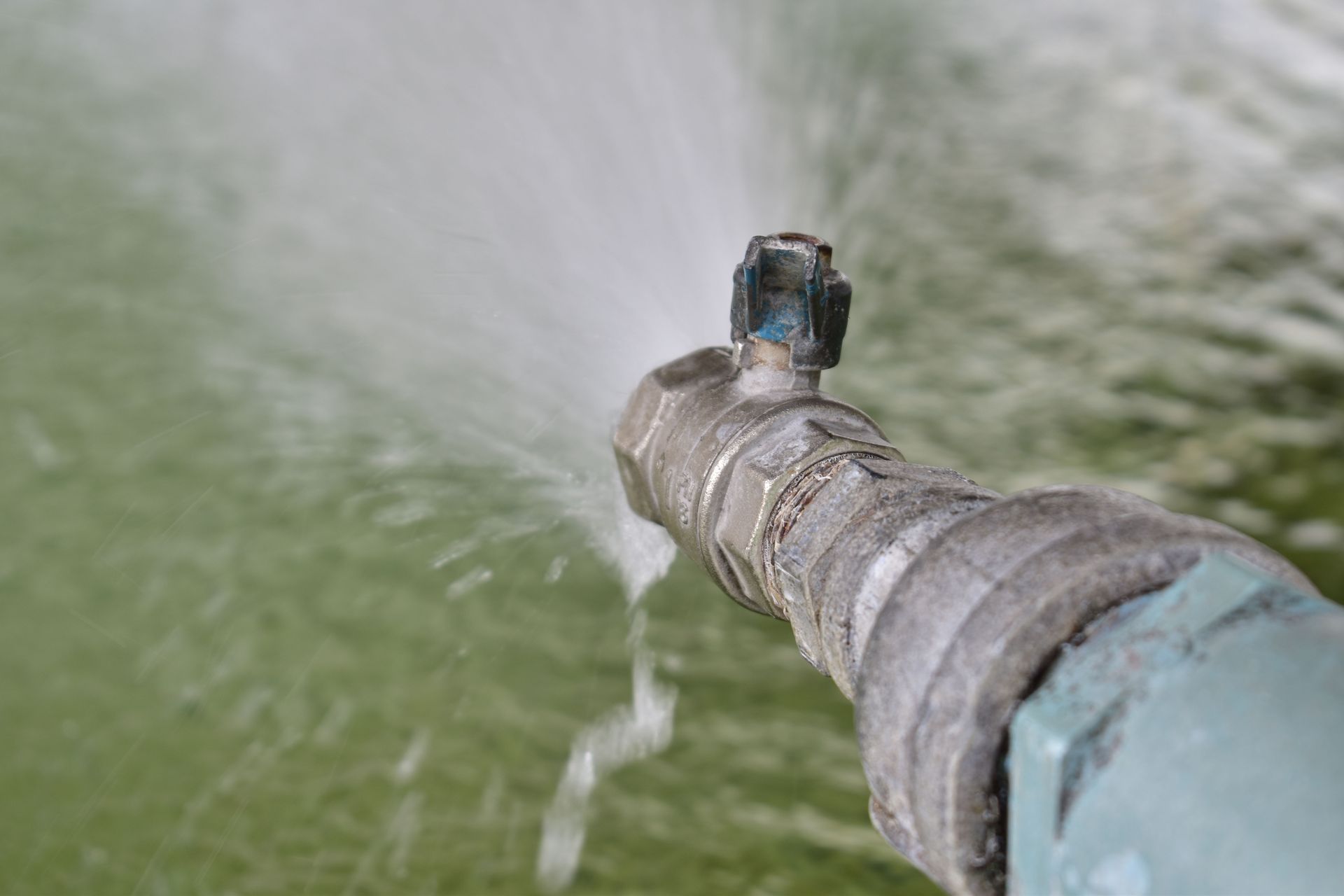
When water encounters a restriction, the liquid volume behind the blockage pools, generating localized hydrostatic pressure and physical weight within the plumbing runs. Suspended horizontal runs, pipe joints, couplings, and mechanical seals endure physical strain as wastewater backs up. Over extended periods, this excess load contributes to weeping joints, loose pipe hangers, and fractured connections. By securing an open passage through drain cleaning, water weights discharge promptly, preserving pipe alignment and joint durability throughout the structure.
Mitigating Unpleasant Microbial Odors
Stagnant water combined with decaying organic matter generates an ideal breeding environment for anaerobic bacteria. These microorganisms produce volatile sulfur compounds and sewer gases that travel up branch lines into occupied spaces. Thorough drain cleaning eliminates the nutrient-rich biological film clinging to the pipe walls, removing the root cause of persistent odors and improving interior air quality without relying on superficial masking agents.
Exploring Advanced Methods for Line Maintenance
Restoring a compromised wastewater line to factory-level flow requires specialized methods tailored to the specific nature of the obstruction. Modern sewer and drain solutions employ diagnostic precision alongside physical clearing techniques to ensure thorough debris removal without damaging existing structures.
Utilizing Video Pipe Inspection
Effective cleaning begins with accurate diagnostic assessment. High-resolution sewer cameras are inserted into cleanouts to travel the length of underground lines. These cameras transmit real-time video feeds revealing the exact location, composition, and severity of restrictions. Technicians can identify grease collars, mineral scale, sagging pipe bellies, or foreign obstructions before initiating physical remediation. Video inspection also verifies pipe integrity, ensuring the interior lining is structurally sound.
Applying Mechanical Cabling Solutions
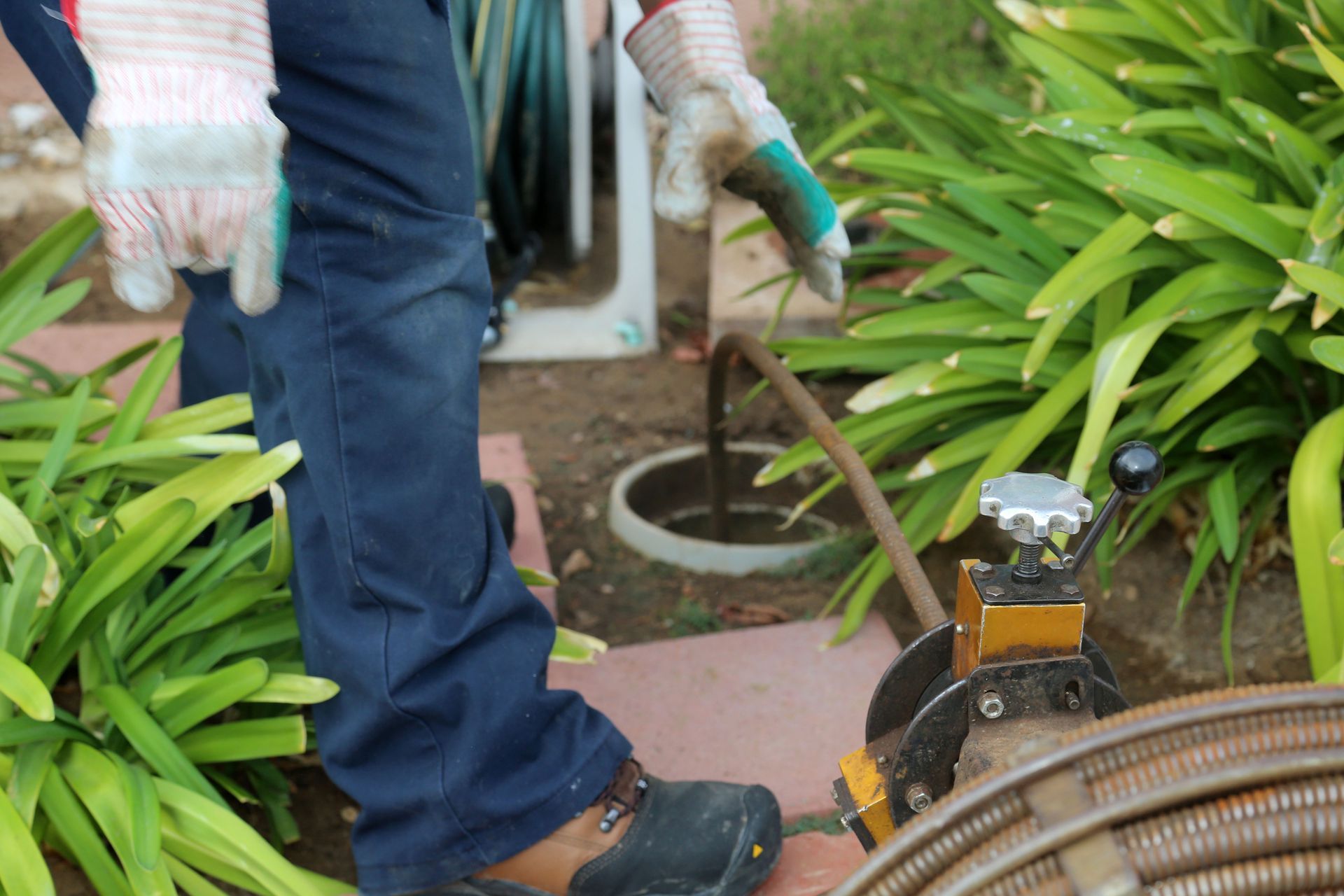
Mechanical drain cleaning, often referred to as snaking or cabling, utilizes flexible steel cables equipped with specialized cutting and clearing heads. Rotated at controlled speeds, these mechanical heads navigate bends and elbows to break apart dense blockages, snag fibrous accumulations, and bore channels through stubborn clogs. Mechanical snaking serves as a primary method for restoring emergency drainage pathways in secondary branch lines.
Harnessing High-Velocity Water Jetting
For comprehensive cleansing of pipe walls, water jetting delivers high-pressure streams of water through specialized omnidirectional nozzles. While mechanical cabling creates an opening through a blockage, water jetting scrubs the entire internal circumference of the pipe. The concentrated force emulsifies hardened grease, shears away calcified mineral scaling, and flushes sludge downstream into municipal mains. This process restores the interior diameter of the pipe to near-original capacity, minimizing residual rough patches where new debris could otherwise anchor.
Preserving Long-Term System Performance
Maintaining rapid water flow is an ongoing priority rather than a one-time repair. Pipe systems operate under constant use, meaning preventative attention yields far superior operational stability compared to responding solely during total system failure.
Minimizing Emergency Plumbing Disruptions
An unexpected sewer line backup can halt business operations, damage finished basements, compromise inventory, and generate substantial restoration burdens. Properties that implement scheduled drain cleaning experience fewer sudden failures because restrictions are cleared well before they bridge the entire pipe bore. Planned maintenance allows property owners to manage their mechanical systems systematically without the disruption of emergency downtime.
Extending Overall Plumbing Longevity
Plumbing pipes represent a substantial capital investment. When lines remain perpetually choked with standing water and acidic organic sludge, chemical reactions accelerate the corrosion of cast iron, copper, and galvanized steel. Plastic lines such as PVC and ABS remain susceptible to stress fractures when joint assemblies bear static weights from trapped water. Ensuring that lines empty swiftly minimizes the contact time between aggressive wastewater chemicals and structural pipe materials, extending the functional lifespan of the collection system.
A properly maintained drainage network provides quiet, reliable, and continuous wastewater evacuation, protecting property foundations and indoor health. When pipes remain unobstructed by grease, scale, and organic sediment, water moves with effortless velocity, relieving structural strain on physical joints and eliminating foul odors. Incorporating planned
drain cleaning into regular property maintenance safeguards underground assets, improves everyday operational efficiency, and ensures that wastewater infrastructure functions exactly as intended. To keep your plumbing lines operating with optimal velocity and reliability, contact Rapid Flow Sewer & Drain Cleaning to schedule your comprehensive drain evaluation today.