By Mark Meads
August 27, 2026
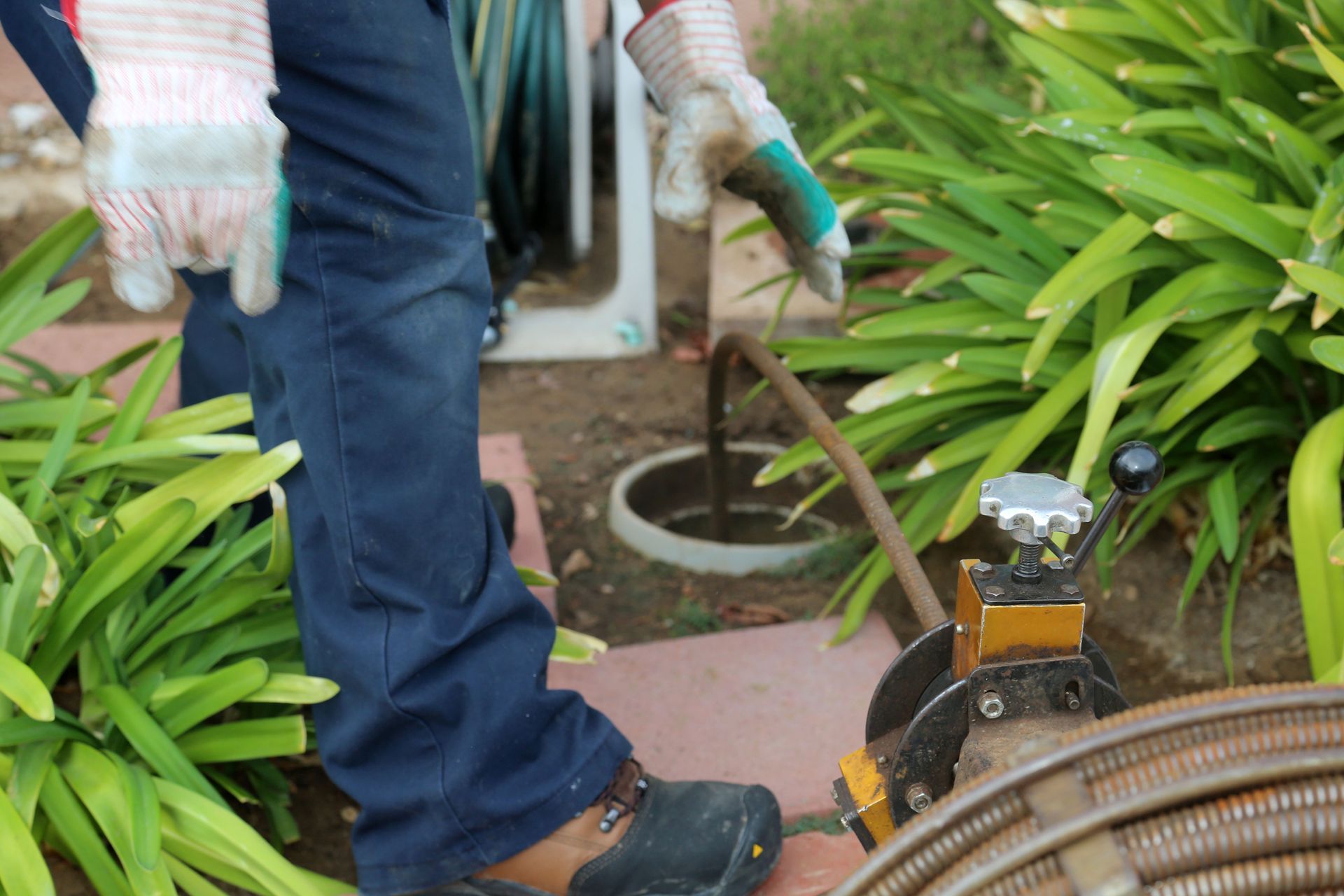
Old pipes do not always need to be excavated and replaced. Trenchless technology offers a smarter way to rehabilitate aging sewer and drainage systems while limiting disruption to properties, roads, landscaping, and communities. Instead of treating older infrastructure as a liability, property owners can view it as an opportunity for efficient modernization. From pipe lining to targeted rehabilitation, trenchless solutions can improve aging systems without the extensive digging associated with traditional replacement. For homeowners dealing with recurring drainage issues, professional drain cleaning can also help identify problems before more invasive work becomes necessary.
Understand How Trenchless Technology Works
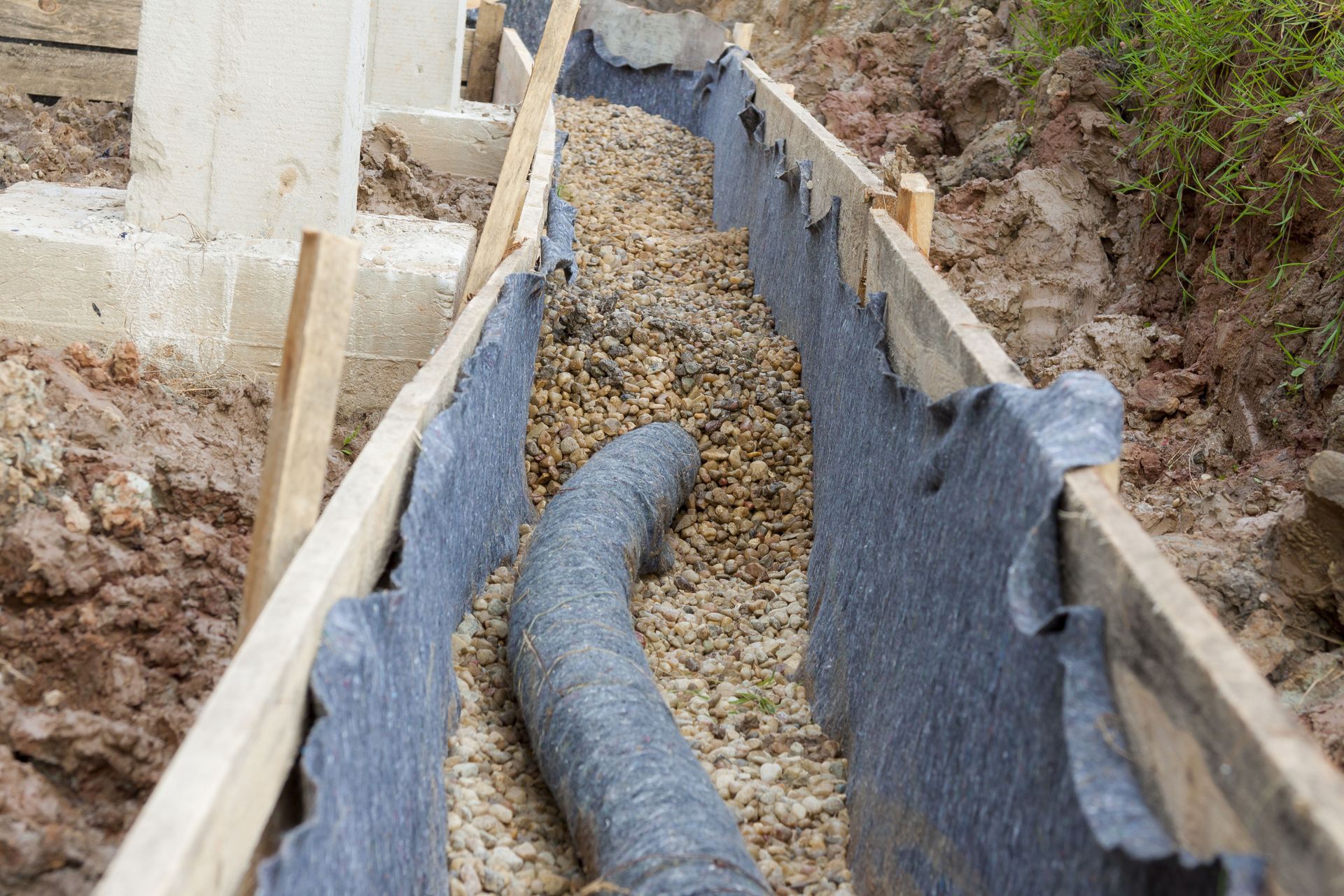
Trenchless technology refers to methods that repair, rehabilitate, or replace underground pipes with minimal excavation. Depending on the condition and location of a pipe, professionals may use pipe lining, pipe bursting, or other specialized techniques to restore underground infrastructure.
Pipe lining can create a durable new interior surface inside an existing pipe, while pipe bursting can replace a damaged line using the existing pathway. These approaches can reduce surface disruption and may help property owners avoid extensive excavation.
The right solution depends on the condition of the existing pipe, the surrounding soil, access requirements, and the nature of the damage. A professional inspection is therefore essential before deciding whether trenchless rehabilitation is appropriate. For homeowners experiencing slow drains, recurring backups, or unpleasant odors, drain cleaning and camera inspections can help reveal whether an underlying pipe problem is contributing to the issue.
Another advantage is the flexibility trenchless methods can provide in areas where digging would be especially difficult. Driveways, mature landscaping, patios, sidewalks, and other finished surfaces can make conventional excavation inconvenient and costly to restore. When site conditions allow, trenchless rehabilitation can address underground problems while preserving much of the property above the pipe.
Explore the Hidden Value of Aging Pipes
Older pipes can develop cracks, corrosion, root intrusion, buildup, and other problems over time. However, an aging pipe does not automatically mean the entire system needs to be removed. When the existing pathway remains suitable, trenchless rehabilitation may provide a practical way to strengthen or restore the line.
Materials commonly found in older systems can include clay, cast iron, and older plastic piping. Each material has different characteristics and potential weaknesses. A professional evaluation can determine whether cleaning, localized repair, lining, or replacement is the most appropriate approach.
Drain cleaning can play an important role in this evaluation. Removing accumulated debris and buildup can improve flow while giving professionals a clearer view of the pipe's condition. According to PR Newswire, homeowners can spend time dealing with backed-up drains, with the source reporting that 15% spend time fixing these drainage problems. Regular maintenance and professional drain cleaning may help homeowners address recurring issues before they become more disruptive.
Rehabilitating an existing pipe can also reduce the need for extensive excavation. That means less disturbance to landscaping, driveways, walkways, and other finished surfaces surrounding the property.
Old infrastructure can also contain valuable advantages that are easy to overlook. An existing pipe route has already been established, which can simplify planning when the line is suitable for rehabilitation. Rather than viewing every aging pipe as something that must be discarded, property owners can consider whether the existing system can serve as the foundation for an improved drainage solution.
Evaluate the Financial and Environmental Benefits
One of the biggest advantages of trenchless technology is its potential to reduce the disruption associated with underground pipe work. Traditional replacement can require significant excavation and surface restoration. Trenchless methods can often limit that disturbance, depending on the project and pipe conditions.
Reduced excavation can translate into fewer restoration requirements and less disruption to daily activities. Businesses may experience less interference with access, while homeowners may avoid the extensive disturbance that can accompany conventional pipe replacement.
Trenchless rehabilitation can also support more sustainable infrastructure management. Less excavation means less soil displacement and reduced disturbance to existing landscapes. Reusing the pathway of an existing pipe can also limit the amount of material and construction activity required for rehabilitation.
These benefits make trenchless technology worth considering when an aging sewer or drainage system requires more than routine maintenance. Still, professional assessment should determine whether rehabilitation is suitable. In some situations, drain cleaning may resolve the immediate problem. In others, recurring blockages may indicate a deeper structural issue that requires pipe repair or rehabilitation.
There can also be practical benefits for property owners who want to protect the appearance and usability of their surroundings. Extensive excavation can affect gardens, paved areas, lawns, and access points. A less invasive approach can help preserve these features when the pipe and site are good candidates for trenchless work.
Embrace Technology for Smarter Pipe Care
Modern inspection technology has made it easier to understand what is happening inside underground pipes. Video camera inspections can help professionals identify cracks, blockages, root intrusion, collapsed sections, and other conditions without immediately resorting to excavation.
These inspections can work alongside drain cleaning to create a clearer picture of a drainage system. Cleaning can remove obstructions that interfere with flow, while camera inspection can help identify conditions that cleaning alone cannot resolve.
Advancements in pipe lining materials and rehabilitation equipment have also expanded the possibilities for trenchless work. Durable resins and engineered materials can create strong interior pipe surfaces, helping rehabilitated systems withstand demanding conditions.
Technology can also support more proactive maintenance. Rather than waiting for a severe backup to occur, property owners can address warning signs such as recurring slow drains, gurgling sounds, unpleasant odors, or repeated blockages. Professional drain cleaning can be part of that preventive strategy, particularly when combined with inspection and ongoing maintenance.
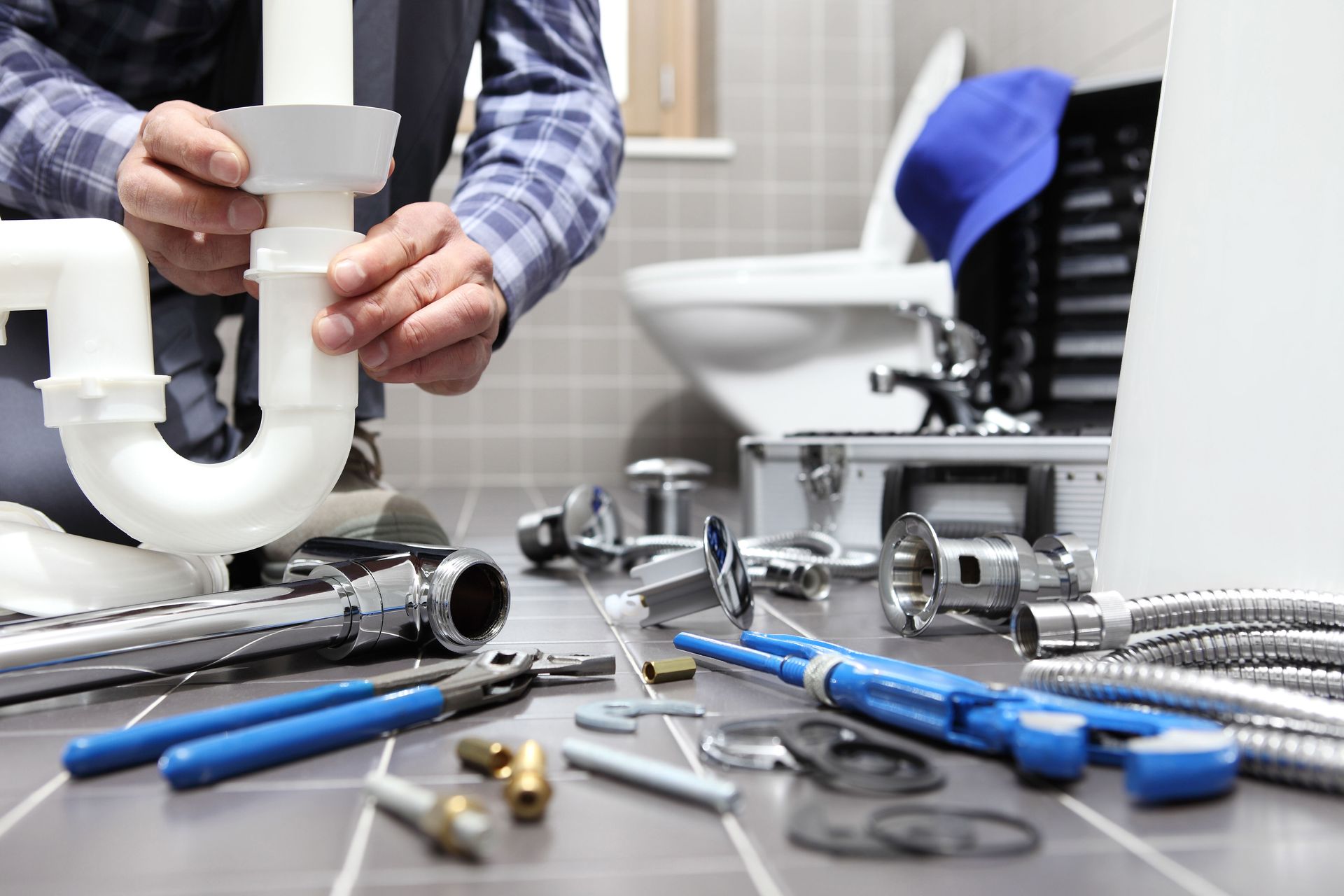
Modern diagnostic tools can also make conversations between property owners and professionals more productive. Instead of relying solely on visible symptoms, technicians can use inspection findings to explain where a problem is located and what may be causing it. This information can help property owners make more informed decisions about drain cleaning, repair, rehabilitation, or replacement.
Prepare for a More Practical Approach
Trenchless technology is not appropriate for every pipe or every property. Soil conditions, pipe alignment, structural damage, accessibility, and the location of surrounding utilities can all influence the recommended approach. A qualified professional should evaluate these factors before work begins.
Property owners can take a proactive approach by paying attention to recurring drainage symptoms. Persistent backups or slow-moving water should not simply be treated as isolated inconveniences. Repeated problems may indicate buildup, intrusion, damaged piping, or another underlying condition.
Professional drain cleaning can help maintain clear, functional drainage lines and may provide an opportunity to identify developing concerns. When cleaning is no longer enough, inspection can help determine whether a trenchless solution or another form of repair is appropriate.
Good maintenance also starts with recognizing that drainage problems can develop gradually. A drain that repeatedly slows down may be signaling an issue farther inside the system. Addressing these warning signs early can give property owners more options and may prevent a minor drainage concern from becoming a major plumbing disruption.
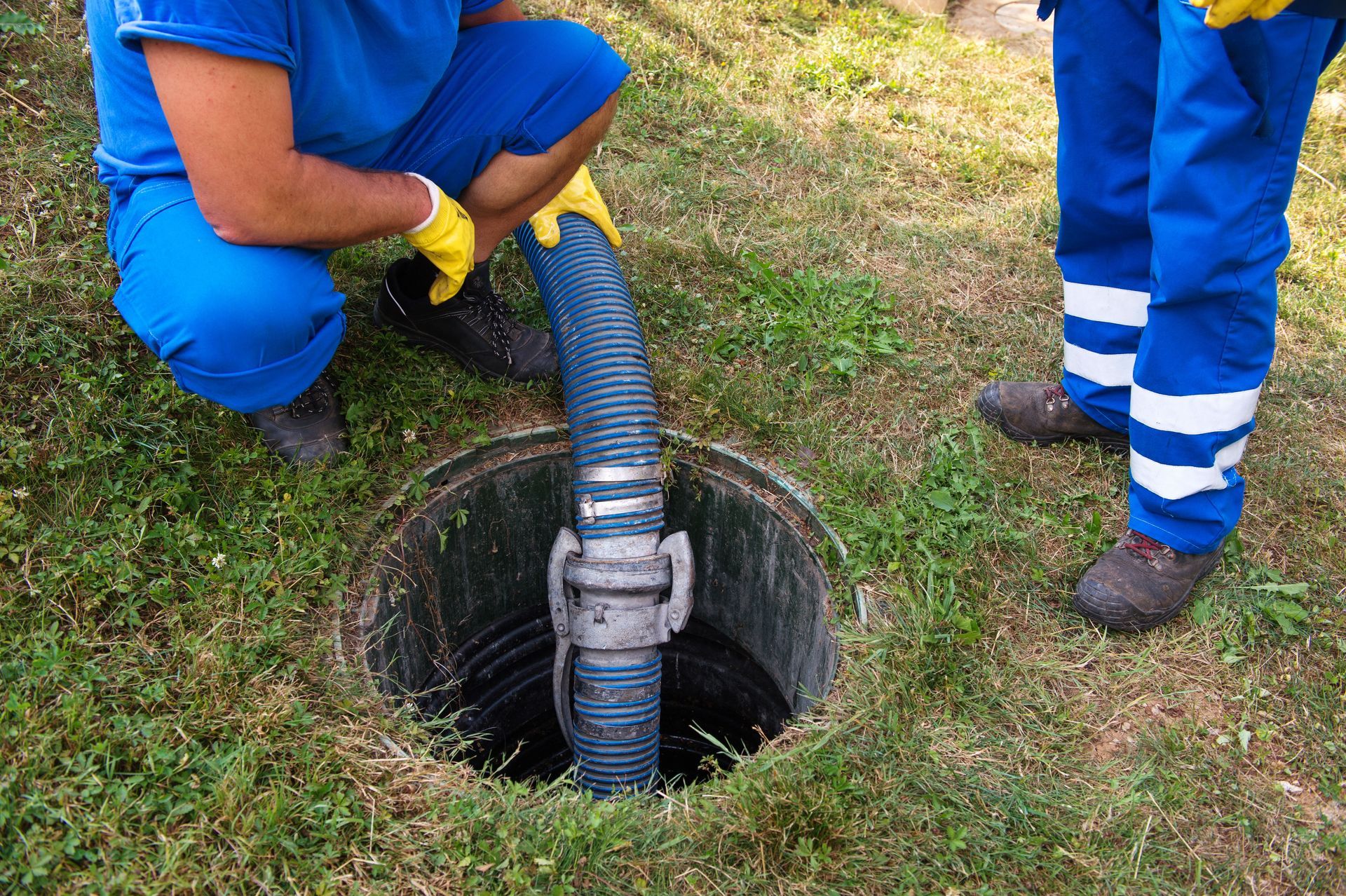
Working with an experienced sewer and drain professional is especially valuable when symptoms continue after routine maintenance. A qualified technician can assess the system, explain available options, and determine whether trenchless rehabilitation can preserve the existing pipe while improving its performance.
Old pipes are not necessarily a reason to start digging. With the right inspection and rehabilitation strategy, existing underground infrastructure can sometimes be restored while reducing surface disruption and supporting more efficient property maintenance. Trenchless technology provides an alternative to conventional excavation, while drain cleaning and professional inspections can help property owners understand the condition of their drainage systems before problems become more severe.
If recurring backups, slow drains, or aging sewer lines are becoming a concern, contact Rapid Flow Sewer & Drain Cleaning for professional drain cleaning, inspection, and drainage solutions designed to keep your system working properly.