March 11, 2026
Grease traps play a crucial role in managing the flow and disposal of fats, oils, and grease (FOG) in commercial and residential kitchens. Regular maintenance is necessary to prevent costly damages and ensure compliance with environmental regulations. However, determining when exactly to schedule grease trap pumping can sometimes be unclear. This article aims to identify the top signs indicating that your grease trap needs immediate pumping. Understanding these signs can help you mitigate risks associated with plumbing malfunctions and sanitary concerns.
Failure to maintain your grease trap can result in a variety of issues that escalate quickly if left unaddressed. Proactive monitoring and maintenance not only extend the lifespan of your equipment but also safeguard your establishment from regulatory fines. According to FSR Magazine, grease traps should be emptied, and drain lines ought to be cleaned at least once per month. Awareness and regular checks can critically contribute to a smooth-running kitchen environment. Let's delve into these vital signs and explore why they should prompt immediate action.
1. Unpleasant Odors
Unpleasant odors often signal that your grease trap needs immediate attention. If you notice persistent foul smells near kitchen areas, it might indicate that the grease trap is full and unable to trap additional grease effectively. These odors are not just confined to the kitchen; they can permeate dining and public spaces, affecting the overall customer experience. New, unexplained smells can suddenly emerge, potentially pointing to accumulated waste that has started decomposing. Foul odors can progressively worsen over time if the trap isn't serviced promptly, turning what might be a small inconvenience into a larger problem.
Comparing current odor levels to past incidents can offer insights into the health of your grease trap. If the odor intensity seems worse than before, it could mean the trap is overworked and requires grease trap pumping. A malfunctioning grease trap could cause sewer-like smells to permeate, which are strong indicators that the trap is failing to perform its job. Comparing timeframes and conditions of odor-related incidents can assist in recognizing patterns that necessitate grease trap maintenance. Business owners need to remain alert and consider prior occurrences as predictive measures for future interventions.
The importance of odor management extends beyond customer satisfaction. A clean-smelling kitchen signifies a well-maintained establishment and reassures both staff and customers of hygienic standards. Odorous emissions can have legal ramifications as regulatory bodies may issue warnings or fines. In such instances, the source is frequently traceable back to grease traps and a failure to perform timely maintenance. Thus, addressing odor issues promptly not only maintains a pleasant environment but also protects the business from potential regulatory scrutiny.
2. Slow or Clogged Drains
Experiencing slow or clogged drains is another crucial sign that you need grease trap pumping. A sudden slowdown in water drainage indicates that grease or food particles have likely built up within the system. Backups can lead to persistent standing water, which poses a hygiene risk and is disruptive to kitchen operations. If you notice inconsistencies in drainage speed, it's advisable to inspect the grease trap for excess buildup. Recurring clogs, even after cleaning efforts, suggest that the grease trap may no longer be effective and requires immediate attention.
Differences in the drainage responsiveness of various sinks and appliances can offer clues regarding the functional state of your grease trap. If certain areas experience slow drainage while others do not, it signifies that localized blockage might be linked to the grease trap's inefficiency. Routine inspections are essential for identifying these anomalies promptly. Aside from the inconvenience of slow drains, these problems, if left unattended, can lead to significant plumbing issues that require extensive and costly repairs. Implementing regular maintenance, including monthly grease trap inspections, is essential for retaining functional plumbing.
Consistent performance is key to optimal kitchen operations, making it vital to address slow drainage issues immediately. Not only does prompt action prevent further plumbing complications, but it also ensures that water usage is efficient, which can impact utility costs. As industry recommendations suggest, maintaining a regular cleaning schedule can significantly reduce the likelihood of encountering such issues. Therefore, a consistent routine of grease trap pumping and inspecting the grease trap is advisable to ensure smooth and uninterrupted kitchen function. Regular maintenance will guard against both minor irritations and significant disruptions, maintaining operational efficiency.
3. High Grease Levels Observed
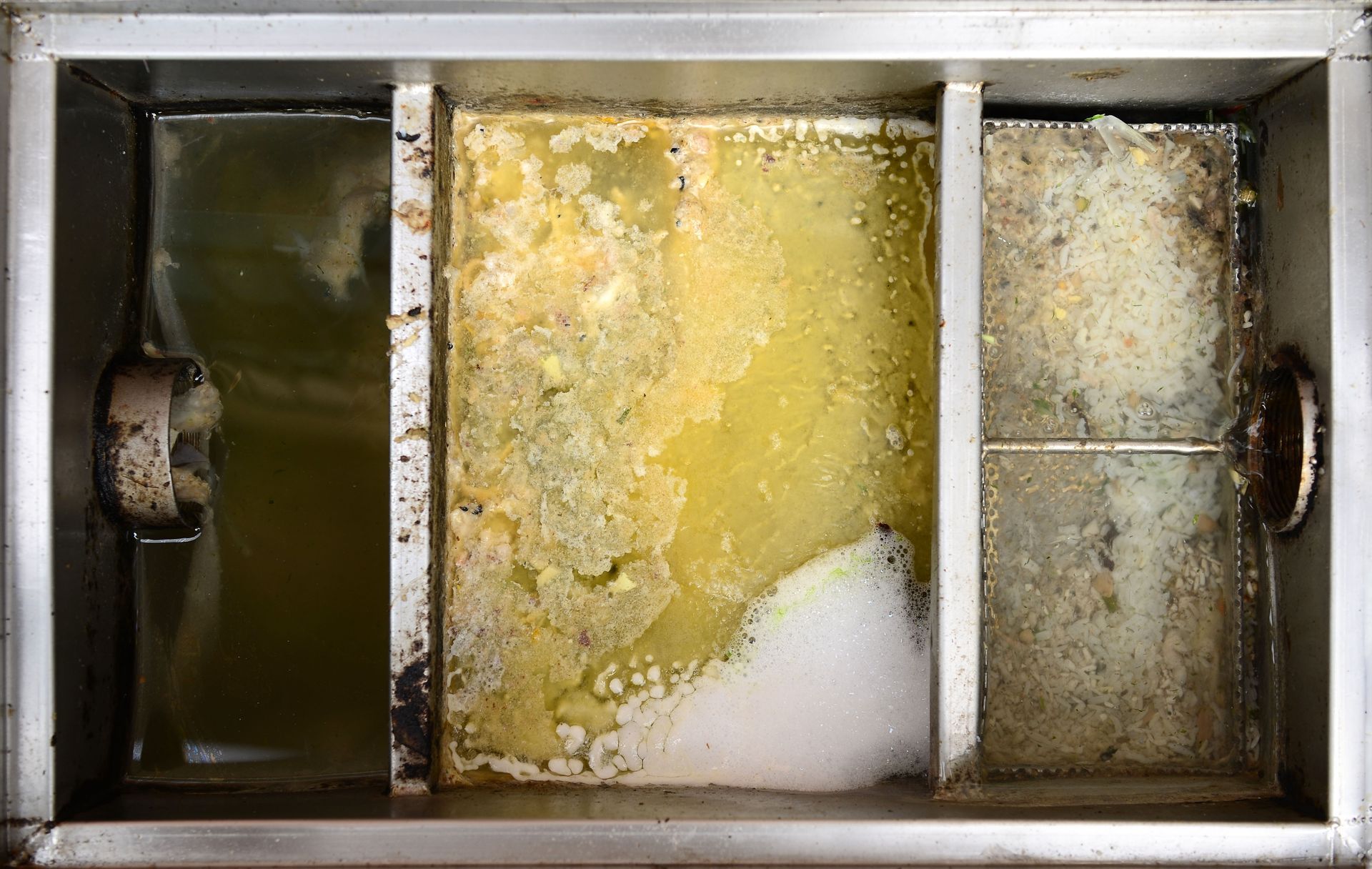
High grease levels observed during an inspection are a tell-tale sign you are due for grease trap pumping. Regular inspections should reveal the grease trap status, alerting you when grease accumulation exceeds recommended limits. Consistent presence of visible grease and oil in the trap indicates that it is overcapacity and losing its efficiency in filtering FOG from wastewater. When grease begins bypassing traps and enters the drainage system, it can lead to more extensive technical and environmental issues. Visual comparisons between past and current trap inspections can help track when grease levels indicate immediate pumping necessity.
Documented records showing infrequent grease trap cleanings correspondingly highlight a need for more regular maintenance. In observing consistent grease accumulation, owners have tangible evidence of the importance of scheduled grease trap pumping. Historical data assists in formulating a maintenance routine that accommodates the specific needs of the establishment. This practice not only enhances the trap's utility but also strengthens regulatory and environmental compliance. It is important to incorporate proactive maintenance based on inspection evidence, ensuring the grease trap functions at optimal capacity.
Effectively managing grease trap levels aligns with industry standards and contributes to a safer, more sustainable kitchen environment. Without regular grease level monitoring, establishments may overlook an exceeding build-up, leading to potential trapping and plumbing failures. Awareness of these grease levels, supported by systematic maintenance, safeguards against unexpected operational hiccups. FSR Magazine advocates for monthly cleanings, reinforcing the need for establishments to adopt such schedules for maximum effectiveness. Understanding and monitoring grease levels secures both operational continuity and compliance with hygiene standards.
4. Unusually High Water Bills
Unusually high water bills can also indicate issues with your grease trap. If you observe a recent increase in water costs without any other justifiable reason, it might relate to inefficiencies with your grease trap. Comparing current and past water usage costs can help pinpoint anomalies suggesting grease trap problems. Investigations that discount other potential causes of increased water usage often highlight issues in grease management within the plumbing system. Moreover, patterns showing discrepancies in consumption versus production reflect underlying grease trap or drainage inefficiencies.
Professional audits might suggest that grease accumulation is causing increased water throughput and ineffective plumbing, impacting water bills. In some settings, correlations can be drawn between more frequent grease trap pumping schedules and reductions in water bills. This is due to improved water flow efficiency post-maintenance, highlighting the economic benefits of regular grease trap cleaning. Failing to address grease trap inefficiencies can inflate operating costs beyond just water bills, leading to overlooked yet substantial financial strains. Adopt routine inspections and cleanings to ensure that the plumbing system remains efficient, effectively managing water use and associated expenses.
To manage costs effectively, it's crucial to integrate water usage assessments in routine maintenance checks of the grease trap. Not only does this practice prevent financial strain, but it also maintains ecological responsibility through resource conservation. Longitudinal analyses of water bill trends can support the identification of when immediate pumping is necessary. Establishing such practices can help control utility expenses while simultaneously extending the lifespan of existing plumbing systems. Consistent maintenance ensures that the grease trap continues to work harmoniously within the broader operational framework, optimizing both functionality and cost management.
Maintaining a clean and well-functioning grease trap is indispensable in avoiding both immediate and long-term issues related to plumbing, sanitation, and regulatory compliance. Recognizing these top signs is crucial for timely intervention and preventing potentially severe consequences. Regular inspection, combined with professional consultations, can save significant costs and ensure a safe, pleasant environment for both staff and patrons. If your business needs grease trap pumping services, contact Rapid Flow Sewer & Drain Cleaning today.