March 10, 2026
Understanding the importance of regular drain cleaning and its role in preventing costly plumbing repairs is crucial for any homeowner. Neglecting regular maintenance can result in a plethora of issues that can lead to extensive repairs and, subsequently, high expenses. Clogs, blockages, and even structural damage to drain systems are common outcomes when regular cleaning is ignored. By making drain cleaning a routine practice, homeowners can effectively avoid these issues and maintain a functional and efficient plumbing system. This article explores the different facets of drain cleaning, its benefits, and techniques to ensure long-lasting drain systems.
Understanding the Basics of Drain Systems
What is a Drain System?
A drain system is an essential component of any building's plumbing infrastructure, responsible for removing wastewater efficiently. It consists of various pipes and fittings that lead wastewater away from a property, ensuring sanitation and convenience. These systems vary significantly, depending on the building's design, use, and even local environmental conditions. Due to constant exposure to waste materials, these systems can be prone to wear and tear, making understanding their operation essential. Regular maintenance of these systems prevents malfunctions and ensures their optimal operation.
Types of Drainage Systems
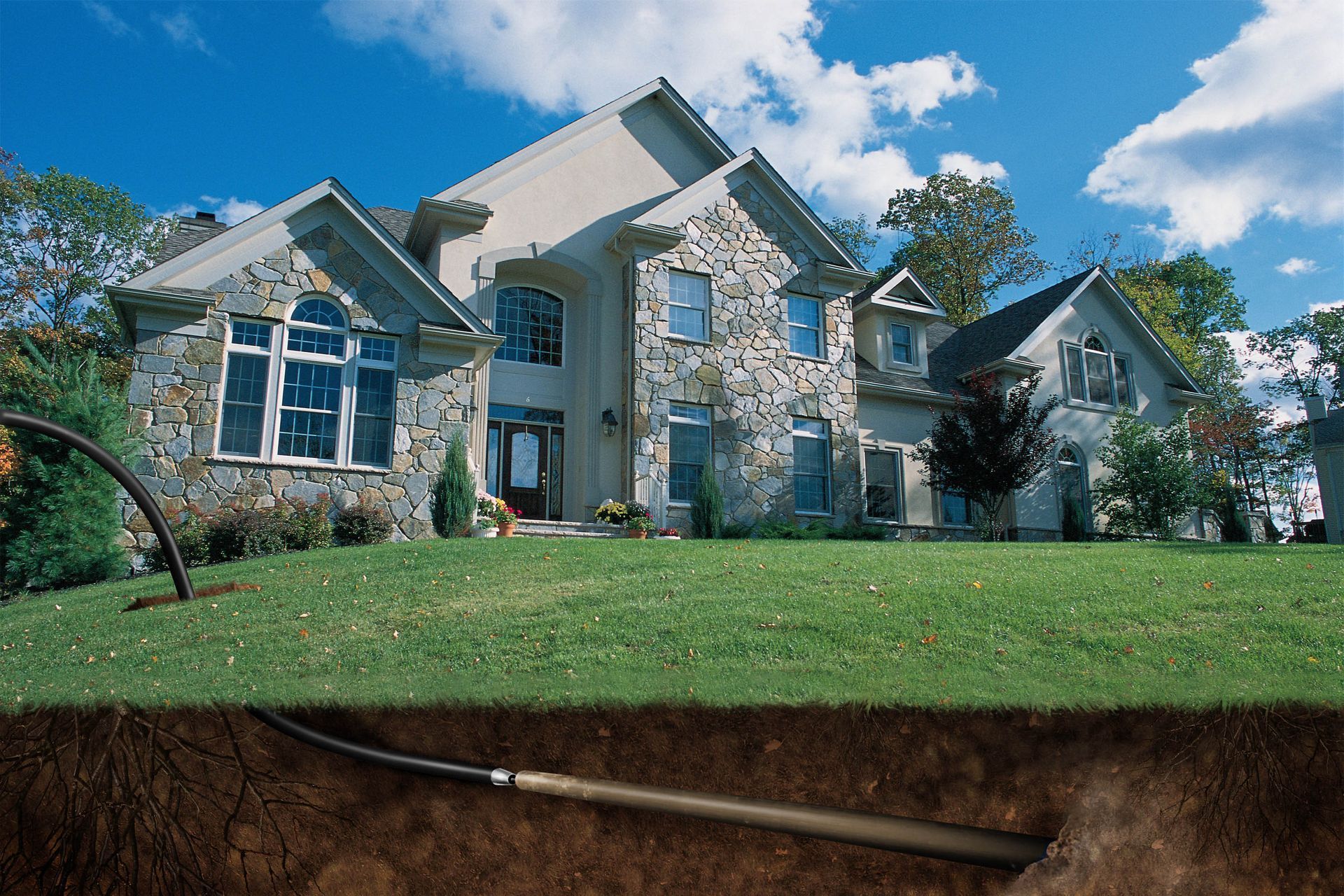
Drainage systems can be broadly categorized into several types, such as surface drainage, subsurface drainage, and slope drainage systems. Surface drainage channels water from the surface of the ground using channels or ditches, while subsurface drainage handles excess water below the ground level. Slope drainage takes advantage of gravity, moving water through pipes installed on an incline. Each of these systems serves unique purposes and requires specific methods of maintenance for effective operation. Understanding these variations helps in choosing the correct maintenance procedures to keep the systems efficient.
Components of a Drain System
A drain system consists of various components, each playing a pivotal role in its overall functionality. The primary components include drain pipes, traps, vents, and sewer lines. Drain pipes transport wastewater from sinks, tubs, and appliances to the sewer lines, while traps prevent sewer gases from entering the home. Vents add air into the draining system to prevent vacuum at fixtures, and sewer lines carry wastewater to treatment facilities. Regular inspection and maintenance of these components are vital to prevent blockages and ensure the system's overall efficacy.
Common Problems in Drain Systems
Drain systems are not immune to problems, with common issues including clogs, slow drainage, and unpleasant odors being prevalent. These issues can result from foreign objects, grease buildup, or even root invasion in the pipes. Moreover, structural problems like pipe corrosion, misaligned pipes, or damaged seals can contribute to drain system failures. Timely recognition and resolution of these issues are critical to avoiding more severe and costly problems. Effective maintenance practices can drastically reduce the frequency of these problems.
Signs of a Failing Drain System
Being aware of the signs of a failing drain system can be crucial in preventing severe damage. Slow drainage, frequent clogs, and gurgling noises from drains are typical indicators. Additionally, unexplained puddles, unpleasant odors, and increase in pest activity can also suggest underlying drainage issues. Ignoring these signs could lead to significant structural damage and extensive repair costs. Proactive measures, like regular inspection and professional consultations, can help address problems before they escalate.
The Importance of Regular Drain Maintenance
Preventing Clogs and Blockages
Regular drain maintenance plays an integral role in preventing clogs and blockages that can disrupt daily routines. Debris such as hair, soap scum, and food particles are common culprits for blockages within pipes. Through frequent cleaning practices, these materials can be removed before they have a chance to accumulate. As stated by PR Newswire, 15% of homeowners spend time fixing back-up drains, suggesting this is an ongoing problem many face. Addressing and preventing these clogs not only saves time but also reduces the risk of more serious plumbing issues.
Extending the Lifespan of Plumbing Systems
By investing time in regular drain maintenance, homeowners contribute to the extended lifespan of their plumbing systems. Maintenance helps in identifying and rectifying minor issues before they evolve into significant complications. Pipes, in particular, benefit from regular cleanings, as they prevent corrosion caused by chemical buildups. Routine inspections and cleanings ensure that all components of the plumbing system function optimally for longer periods. Ultimately, this prolongs the system's life, postponing the need for costly replacements or repairs.
Improving Water Flow Efficiency
Efficient water flow is a direct result of well-maintained drain systems. When drains are kept clear of obstructions, water flows smoothly, enhancing the system's performance. Poor water flow not only affects daily household activities but also indicates potential issues within the system. Regular maintenance ensures pipes are free from buildup, increasing water flow and improving overall efficiency. The resulting benefit is a decrease in water usage and associated costs, promoting both financial and environmental advantages.
Averting Health Hazards
Poorly maintained drain systems can become hotbeds for bacteria and mold, posing serious health risks. Standing water and moisture create environments conducive to microbial growth, leading to potential health issues. Regular cleaning reduces these hazards by ensuring adequate drainage and water flow. Moreover, maintenance helps in preventing the backflow of hazardous contaminants into the living space. Homeowners can thus protect their families' health by prioritizing drain system cleanliness and efficiency.
Cost Savings from Early Detection
Early detection of potential issues in drain systems is a direct advantage of regular maintenance. Identifying problems like small leaks or blockages early allows for prompt resolution before they worsen. This proactive approach translates directly into cost savings, as minor repairs are more manageable and less expensive. Ignoring the need for regular maintenance may result in escalated repairs, often involving extensive labor and resources. Regularly investing in drain system care ultimately safeguards against unexpected financial burdens.
Common Tools and Techniques for Drain Cleaning
Simple Household Tools for Minor Clogs
Tackling minor clogs effectively requires knowledge of basic household tools. Plungers, for instance, are usually adequate for relieving small blockages in sinks or toilets. Using a combination of baking soda and vinegar can also dissolve slight buildups without harsh chemicals. Homeowners might consider keeping a hair snake or barbed tool handy to remove hair from bathroom drains. Mastery of these simple tools ensures that minor issues are resolved before they can evolve into significant clogs.
Chemical Solutions: When and How to Use Them
Chemical solutions can be effective in combating hard-to-reach clogs but must be used with caution. Overuse or inappropriate application can lead to pipe damage due to the chemicals' corrosive nature. These solutions are most effective for organic clogs but should be avoided if the plumbing system is compromised. Homeowners should follow manufacturer instructions carefully and consider safer alternatives when possible. Occasionally utilizing these solutions is fine, but reliance on them should be minimized to preserve the plumbing's integrity.
Use of Drain Augers and Snakes
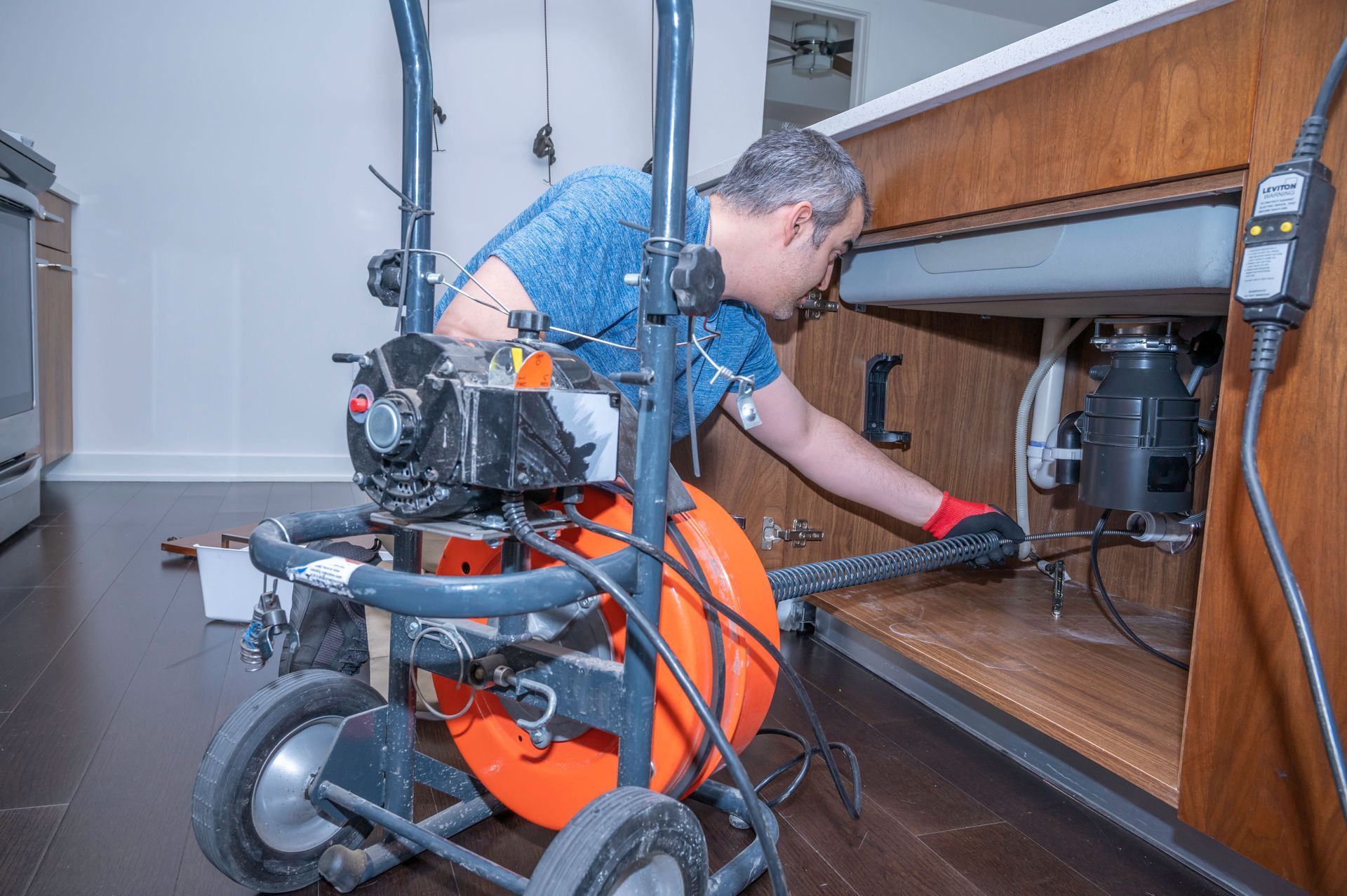
For more stubborn clogs, drain augers and snakes are invaluable tools in a homeowner's arsenal. These devices can navigate through pipe systems to physically dislodge or extract obstructions. Manual snakes are adequate for smaller issues, while power augers may be necessary for larger ones. Proper training or guidance should be sought to ensure these tools are used effectively and without damaging pipes. Incorporating these tools into regular maintenance routines helps keep the systems clear and functioning well.
Regular drain cleaning and maintenance are paramount in maintaining efficient and functional drainage systems. By understanding and implementing maintenance practices, homeowners can substantially avert costly repairs and sustain plumbing integrity over the long term. Emphasizing preventive steps, proactive inspections, and professional consultations ensures comprehensive system care, promising peace of mind and financial advantages. According to PR Newswire, 15% of homeowners spend time fixing backed up drains. Taking control through regular upkeep means safeguarding against unforeseen emergencies while extending system lifespan. Encourage proactive measures today for a reliable, worry-free plumbing system that serves optimally in the years to come. Be sure to reach out to Rapid Flow Sewer & Drain Cleaning today for more information on our professional drain cleaning!