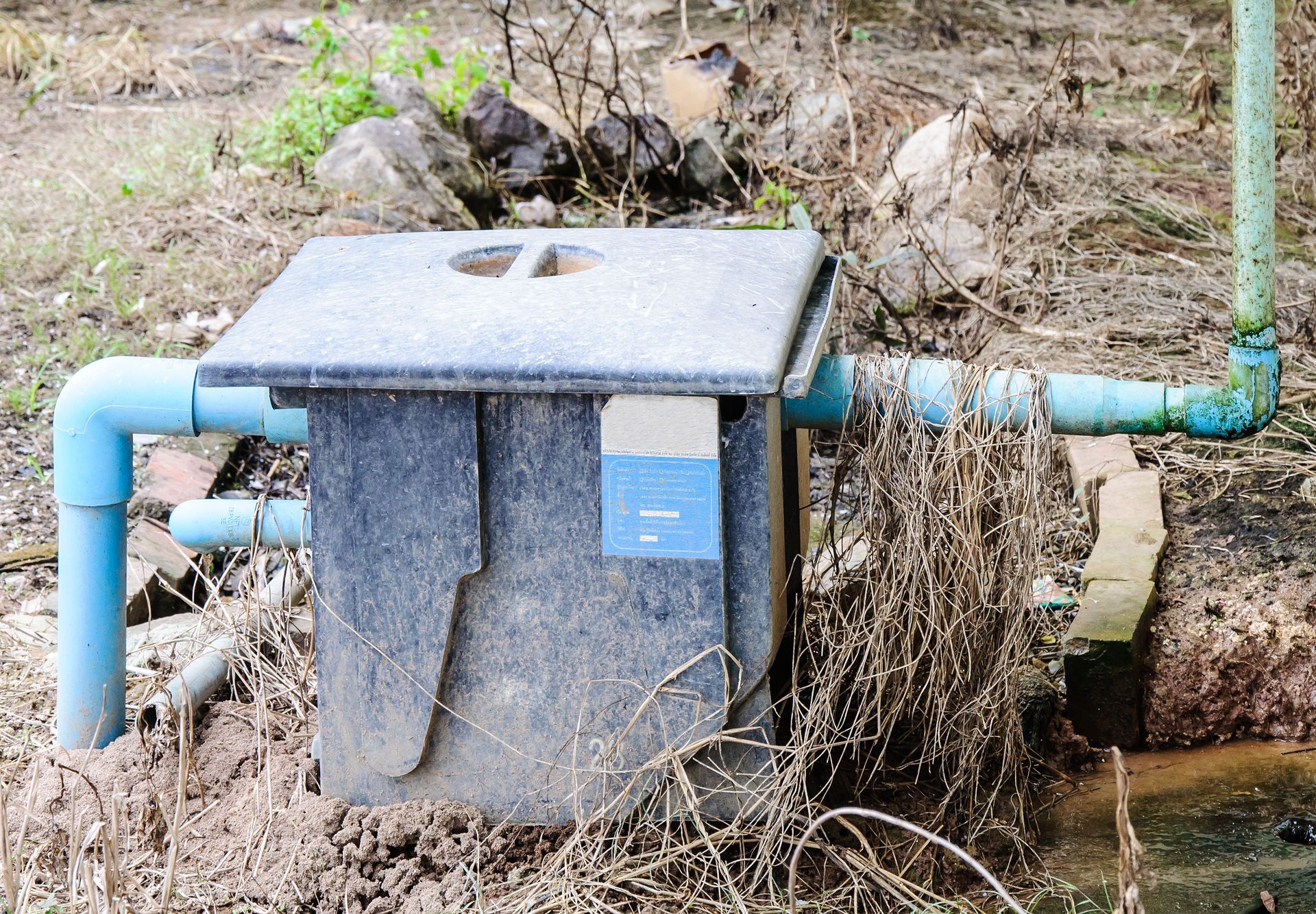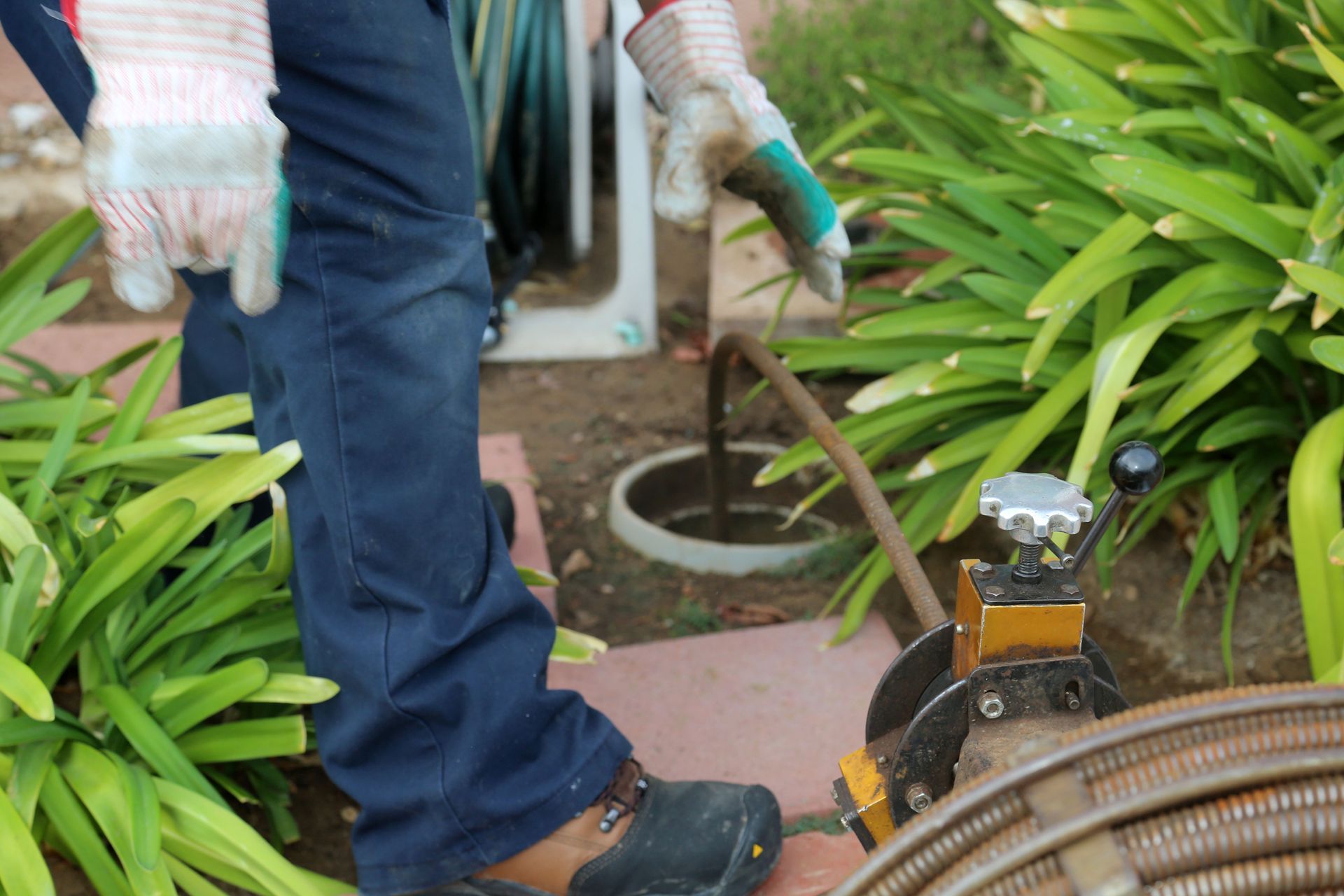
Grease traps are an essential component of restaurant plumbing systems, designed to intercept fats, oils, and grease before they enter the sewer system. Without proper maintenance, grease traps can lead to significant issues, including blockages, foul odors, and environmental damage. Regular pumping and cleaning of grease traps are critical for maintaining the smooth operation of a restaurant and ensuring compliance with local health regulations. Utilizing professional grease trap pumping services keeps your kitchen safe, sanitary, and fully operational. Investing in routine care is the smartest way to safeguard your business from catastrophic plumbing emergencies and devastating regulatory fines.
1. Prevent Severe Plumbing Blockages
Grease traps function by slowing down the flow of wastewater, allowing fats, oils, and grease to float to the top for removal. When traps are not regularly cleaned, accumulated grease can solidify and cause blockages in the pipes. This can lead to backups, unpleasant odors, and costly repairs, disrupting the restaurant's operations and customer experience. Establishing a regular maintenance schedule is key to preventing such blockages and ensuring the longevity of the plumbing system. Securing professional grease trap pumping services keeps your kitchen running smoothly and safeguards your pipes from sudden failure.
Case studies have shown the effectiveness of regular grease trap maintenance in preventing blockages. For instance, a well-known restaurant chain implemented a strict maintenance schedule and saw a significant reduction in plumbing-related downtime. By proactively managing their grease traps, they avoided costly repairs and maintained a positive reputation with health inspectors. Monitoring grease accumulation and adjusting cleaning schedules accordingly can further enhance these benefits. Restaurants can leverage technology and data analytics to optimize their maintenance routines and improve overall plumbing efficiency.
2. Ensure Full Health Regulation Compliance
Health regulations require restaurants to maintain clean and functional grease traps to prevent contamination and ensure public safety. Failure to comply with these local standards can result in hefty fines and penalties. In fact, according to The Restaurant Warehouse, businesses risk facing fines of over $100,000 if they neglect proper grease trap upkeep.. Consistent grease trap pumping services are a vital part of meeting these standards and avoiding catastrophic legal issues. By prioritizing compliance, restaurants can protect their hard-earned reputation and avoid severe financial setbacks.
Penalties for non-compliance with health regulations can be severe, deeply affecting a restaurant's bottom line and operational capabilities. In addition to financial penalties, restaurants may face temporary closures, legal battles, and permanent damage to their brand. To mitigate these risks, owners must ensure that their staff is well-trained in compliance requirements and understands the importance of grease trap hygiene. Investing in quality equipment and scheduled grease trap pumping services can safeguard against violations and enhance overall food safety. By being proactive, restaurants can avoid costly repercussions and focus on excellent customer experiences.
3. Protect the Local Environment
Improper disposal of grease and waste can have significant environmental impacts, polluting waterways and harming aquatic life. Reliable grease trap pumping services help mitigate these effects by ensuring that waste is properly separated and discarded. This protects local ecosystems and supports a restaurant's commitment to sustainability and environmental stewardship. By adopting best practices in waste management, restaurants can contribute to a healthier planet and set a positive example for other local businesses. Environmentally-conscious practices can enhance a restaurant's brand image and attract eco-minded customers.
The benefits of proper waste management extend beyond environmental protection to include regulatory compliance and community relations. Many municipalities have strict guidelines for kitchen waste disposal, and failure to comply can lead to significant fines and legal issues. By investing in regular grease trap maintenance, restaurants can avoid these pitfalls and demonstrate their commitment to community well-being. This proactive approach safeguards the environment while building goodwill with customers and local authorities. Restaurants can enjoy a positive reputation and long-term success through these responsible actions.
4. Reduce Offensive Kitchen Odors
Foul odors from grease traps can negatively impact the dining experience and deter customers from returning. These odors are caused by the breakdown of organic materials and the accumulation of old waste. Regular grease trap pumping services are essential for controlling these odors and maintaining a pleasant environment for both staff and patrons. In addition to regular maintenance, restaurants can invest in ventilation systems and odor reduction products to enhance air quality. By prioritizing odor control, restaurants can create a welcoming atmosphere and improve customer satisfaction.
The customer experience is heavily influenced by the restaurant's ambiance and overall cleanliness. Unpleasant odors can overshadow even the best culinary offerings, leading to negative reviews and a loss of business. To prevent this, restaurant owners must be diligent in maintaining their grease traps and addressing any odor issues promptly. Techniques such as using biological additives and implementing air purification systems can help in managing odors effectively. By taking these steps, restaurants can ensure that their environment aligns with their brand standards and customer expectations.
5. Extend Commercial Equipment Lifespan
Grease buildup can have a detrimental impact on kitchen equipment, leading to increased wear and tear and potential breakdowns. Regular grease trap maintenance helps prevent this by ensuring that grease and waste do not accumulate in the plumbing lines. This prolongs the lifespan of equipment and reduces repair and replacement costs. By investing in quality equipment and adhering to maintenance best practices, restaurants can achieve significant cost savings. Extending equipment lifespan contributes to sustainability by reducing waste and resource consumption.
Maintenance best practices involve regular inspections and cleaning of grease traps and associated equipment. By identifying and addressing potential issues early, restaurants can prevent costly repairs and minimize operational downtime. Staff should be trained in proper maintenance procedures and encouraged to report any anomalies or concerns. This proactive approach protects equipment and enhances overall restaurant efficiency. Restaurants can focus on delivering quality service and meeting customer expectations without the disruption of sudden equipment failures.
6. Enhance Overall Restaurant Efficiency
Regular grease trap maintenance contributes to the overall efficiency of restaurant operations by preventing plumbing issues and minimizing downtime. By ensuring that grease and waste are properly managed, restaurants can streamline kitchen workflows and enhance staff productivity. This improves service quality and supports long-term business growth and sustainability. Maintaining efficient operations can lead to cost savings and increased profitability. By investing in professional grease trap pumping services, restaurants can optimize their performance and achieve operational excellence.
Reducing downtime caused by plumbing issues is essential to maintaining a seamless dining experience and avoiding disruptions. Plumbing problems can lead to temporary closures and lost revenue, impacting both the restaurant's reputation and financial performance. A cost-benefit analysis of regular pumping reveals that the investment is justified by the savings achieved through reduced repairs. By proactively managing grease traps, restaurants can ensure that their operations run smoothly and that customer satisfaction remains high. This strategic approach supports immediate performance and long-term success.
Regular grease trap maintenance is a critical practice for restaurants seeking to maintain smooth operations and ensure compliance with health regulations. It prevents blockages, reduces foul odors, protects the environment, and extends equipment lifespan, all of which contribute to overall restaurant efficiency. The benefits of regular grease trap pumping services far outweigh the operational costs, making it an essential component of any restaurant's strategy. To protect your commercial kitchen from unexpected backups and maintain compliance, let us handle your plumbing needs at Rapid Flow Sewer & Drain Cleaning.