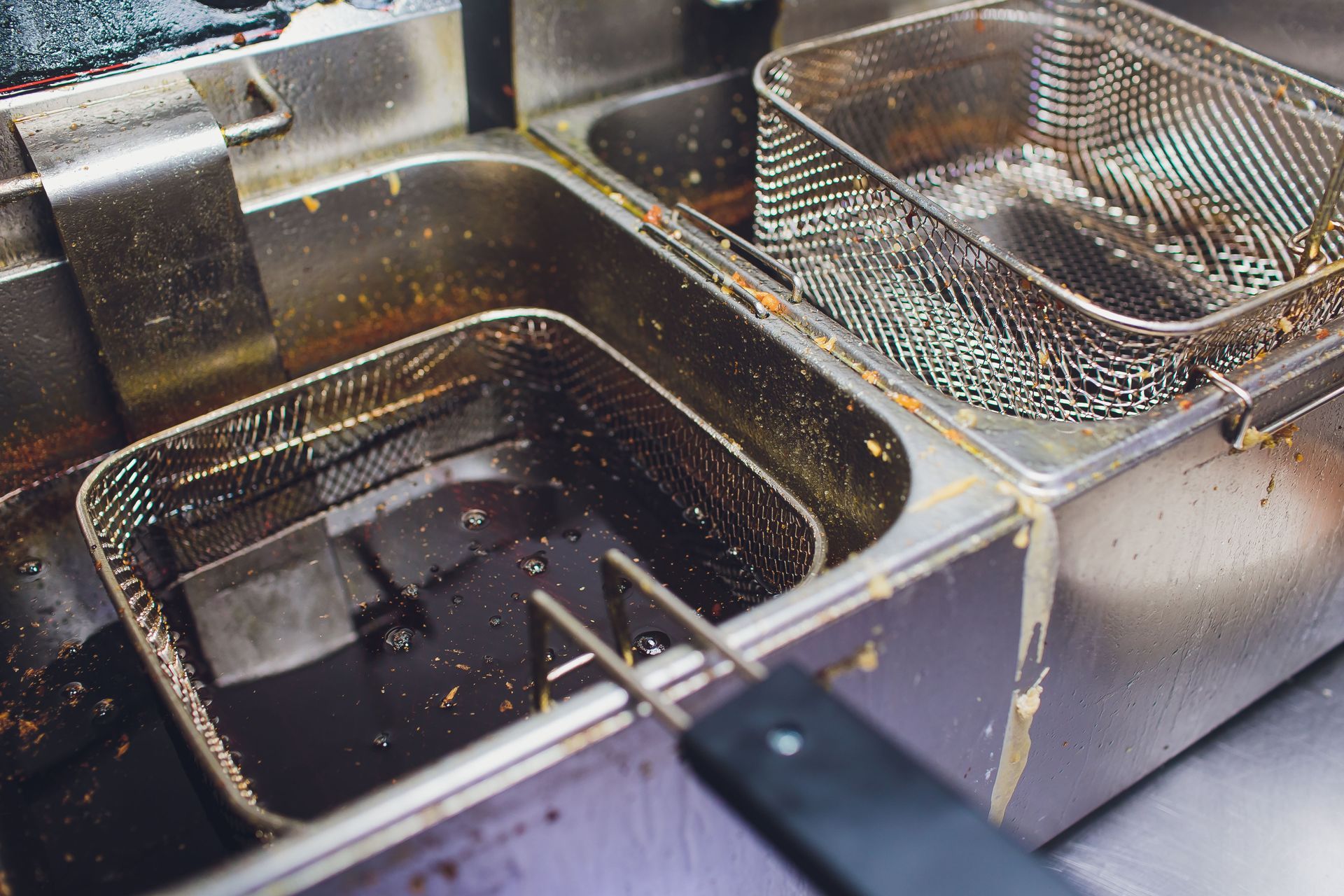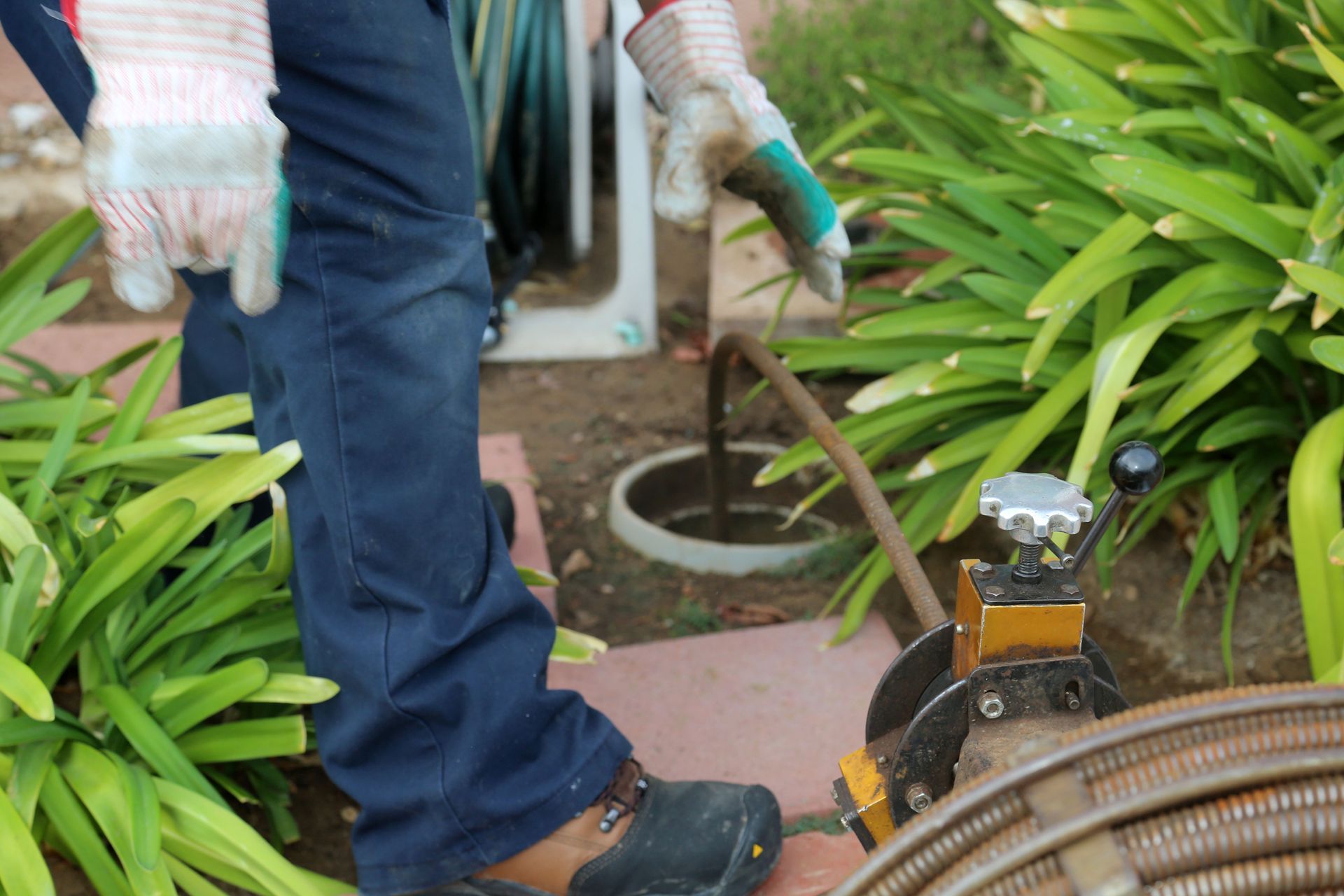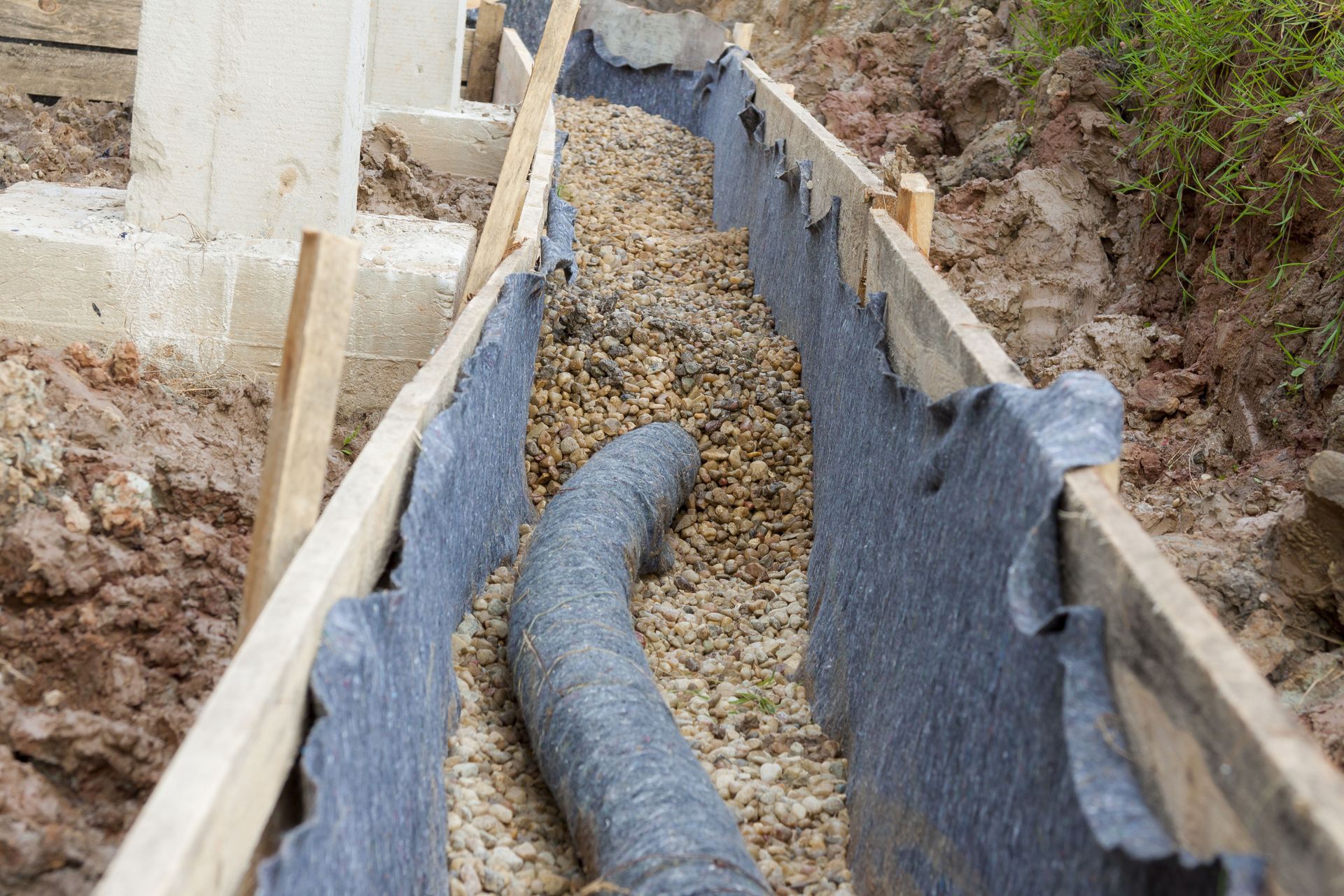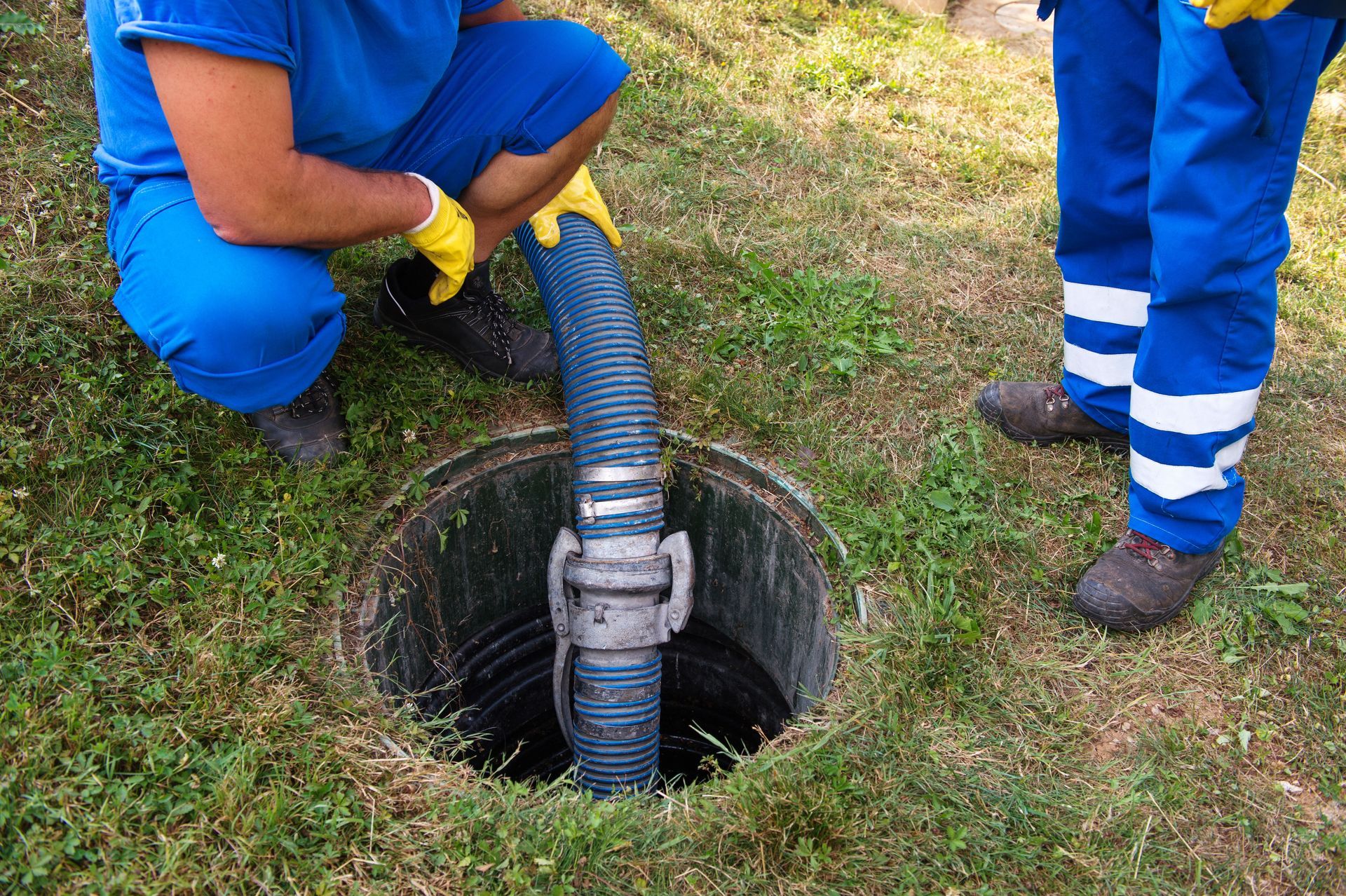
Grease traps are essential components in commercial kitchens, responsible for capturing grease, fats, and oils from wastewater. Regular maintenance of your grease trap ensures smooth kitchen operations and prevents costly repairs. This article outlines the critical signs that indicate your grease trap needs immediate attention and pumping. Without timely intervention, problems can escalate, leading to health hazards and financial burdens. Understanding these signs can guide kitchen managers and staff in maintaining an efficient, compliant, and safe kitchen environment.
1. Unpleasant Odors Around the Kitchen
1.1 Lingering Smell
When your grease trap is overdue for pumping, one of the first signs you might notice is a lingering, unpleasant smell emanating from your kitchen. This odor can be particularly strong near sinks and drains. As the trap becomes full, it can no longer separate grease effectively, allowing odors to escape. It’s important to address this issue promptly to maintain a pleasant environment for employees and customers. Odors can significantly affect the overall perception of your establishment.
1.2 Increasing Odor Intensity
The intensity of the smell often increases as the grease trap fills beyond its capacity. When the accumulation reaches a critical level, the trap fails to perform its function, exacerbating the problem. According to Today's Homeowner, maintaining your grease trap by cleaning it every three months is generally sufficient, but it should never be more than 25% full. Exceeding this limit results in an exponential increase in odor intensity, which can become overwhelming. Regular grease trap pumping helps prevent this issue. Left unchecked, this can drive customers away and adversely affect business.
1.3 Identifying the Source of Odors
Pinpointing the exact source of these odors is critical. While it often originates from the grease trap itself, it’s essential to check all parts of the kitchen's plumbing system. This includes inspecting sinks, drains, and even floor areas for leaks or breaches. Establishing the root cause is the first step in addressing the smell effectively. Regular inspections can preemptively catch sources of odor before they develop into serious issues.
2. Slow Draining Sinks and Plumbing Issues
2.1 Recognizing Drainage Problems
Slow-draining sinks are a potential red flag indicating an overfilled or dysfunctional grease trap. Drainage issues usually surface gradually, with water taking increasingly longer times to empty. Initially, this may only seem like a minor inconvenience. However, any noticeable slowdowns in the plumbing should be examined promptly to rule out emerging grease trap problems. Ignoring such signs can result in more severe plumbing issues down the line. Consistent grease trap pumping mitigates these risks.
2.2 Effects on Kitchen Efficiency
Impaired drainage can be detrimental to kitchen efficiency. Time delays in sink usage can disrupt the seamless flow of kitchen operations, hindering productivity. Slow draining can bottleneck activities, from dishwashing to food preparation, affecting service speed. This can cause frustration among staff and upset service schedules. Monitoring and maintaining efficient drainage is essential to efficient kitchen management.
2.3 Common Plumbing Blockages
Common causes of blockages include accumulated grease, solid food waste, or foreign objects trapped in the plumbing. Over time, this buildup can severely restrict water flow, leading to backups and potential overflows. Addressing blockages early is critical to easing pressure on the plumbing system. Consistent cleaning practices can minimize these risks, pairing usual kitchen hygiene with grease trap maintenance. Regular professional plumbing checks can also help to ensure blockages are kept at bay.
3. Overflowing Grease Trap
3.1 Monitoring Trap Levels
One critical practice in preventing grease trap overflow involves regular monitoring of trap levels. It’s essential to regularly check and document the level of grease collection within the trap. Conducting these checks helps to anticipate when grease trap pumping services will be needed. This recommendation aids in preemptive intervention, reducing the risk of overflow-related issues.
3.2 Risks of Overflow
The risks associated with an overflowing grease trap can be severe. Excess build-up can force grease, fats, and oils back into the plumbing system, leading to severe blockages. Additionally, overflow can cause unsanitary conditions by allowing contaminants to seep into the kitchen environment. It presents health risks and potential violations of safety regulations. Understanding these risks highlights the importance of diligent monitoring and grease trap pumping.
3.3 Environmental Impact
An overflowing grease trap doesn’t merely affect the kitchen environment but extends its impact to the broader environment as well. Unmanaged grease can enter public sewage systems, contributing to environmental pollution. It can severely impact local water treatment facilities and potentially harm local ecosystems. Such environmental degradation stems from improper management of kitchen waste. Ensuring proper grease trap management is not only a regulatory requirement but an ethical obligation for environmental stewardship.
4. Grease Trap Not Meeting Regulatory Standards
4.1 Understanding Regulations
Strict regulations govern the maintenance and operation of grease traps within the food service industry. Understanding and adhering to these regulations is vital to avoid penalties and ensure operational compliance. Grease trap regulations typically involve maintenance schedules and allowable waste discharge levels. Implementing practices that meet these regulatory standards safeguards against fines and service interruptions. Constant updates and staff education on regulation changes should be prioritized.
4.2 Regular Compliance Checks
Routine compliance checks are pivotal in ensuring grease traps meet necessary standards. These involve scheduled inspections by qualified professionals and routine grease trap pumping, as well as documentation of maintenance activities. Compliance checks help verify that maintenance efforts align with current legal requirements. Failing to perform these regular checks can lead to unexpected regulatory breaches. Establishing a comprehensive system for compliance tracking helps prevent such oversights.
4.3 Consequences of Non-compliance
Non-compliance with grease trap regulations can have significant legal and financial repercussions. Enforcement actions may include costly fines, mandated corrective measures, or even temporary closure. The damage to business reputation resulting from non-compliance is equally serious. Therefore, maintaining regulatory standards is both a legal and business necessity. Consistently meeting compliance ensures continued operation without interruption from authorities.
5. Unusual Sounds from Plumbing
5.1 Identifying Problematic Sounds
Unusual sounds from kitchen plumbing serve as indicators of potential grease trap issues. Commonly reported sounds include gurgling, popping, or squeaking noises. These occur when plumbing systems are stressed, often due to obstructions or pressure imbalances. Recognizing these auditory signs as red flags can preempt more severe financial and operational consequences. Addressing the source of these sounds ensures the prolonged effectiveness of the plumbing system.
5.2 Possible Causes of Sounds
There are several possible causes for unusual sound emissions within plumbing infrastructure. Accumulated debris or grease in pipe fittings might alter water flow, resulting in varied sound patterns. Overfilled or improperly maintained grease traps, as well as degraded plumbing components, can also create sound issues. Identifying the cause is crucial in applying the correct remediation strategy. Frequent inspections and maintenance minimize these occurrences, supporting smooth operations.
5.3 Impact on Equipment Lifespan
The presence of problematic plumbing sounds suggests stress on the entire system, directly impacting equipment lifespan. Chronic stress on pipes and fittings increases wear and tear, potentially leading to costly and frequent replacements. Equipment degradation due to sound-related issues can interrupt service and impact efficiency. Promoting sound health through regular assessments safeguards against premature equipment failure. System longevity directly translates into reduced operational costs over time.
Maintaining your grease trap pumping through regular inspections is crucial for preventing disruptions in your kitchen. By recognizing the signs outlined in this article, you can take timely action to protect your kitchen from health hazards, regulatory penalties, and operational inefficiencies. Early intervention not only saves costs but also ensures a clean and safe environment for all staff and customers. By adhering to recommended cleaning schedules and responding to signs of distress, you empower your kitchen operation for sustained success. Implementing a proactive approach truly transforms a potential liability into a showcase of effective management. Keep your kitchen running smoothly—schedule your grease trap pumping with Rapid Flow Sewer & Drain Cleaning today!